Knowledge and Perception of the National Strategy Live Healthy, Live Happy in Oaxaca, Mexico.
BACKGROUND
Diet-related noncommunicable diseases are the leading cause of death and disability worldwide. In Mexico, the 2020–2024 National Health and Nutrition Survey (ENSANUT) reported a combined prevalence of overweight and obesity among school-age children of 36.6% (19.0% overweight and 17.6% obese). Among adolescents, the rate reached 40.1% (23.1% overweight and 17.0% obese). These figures place Mexico among the countries with the highest prevalence of childhood obesity worldwide, underscoring the urgent need for structural, comprehensive, and tailored interventions. 1 Malnutrition is a multifactorial and multisystemic condition that requires an interdisciplinary and intersectoral approach supported by regulatory public policies.
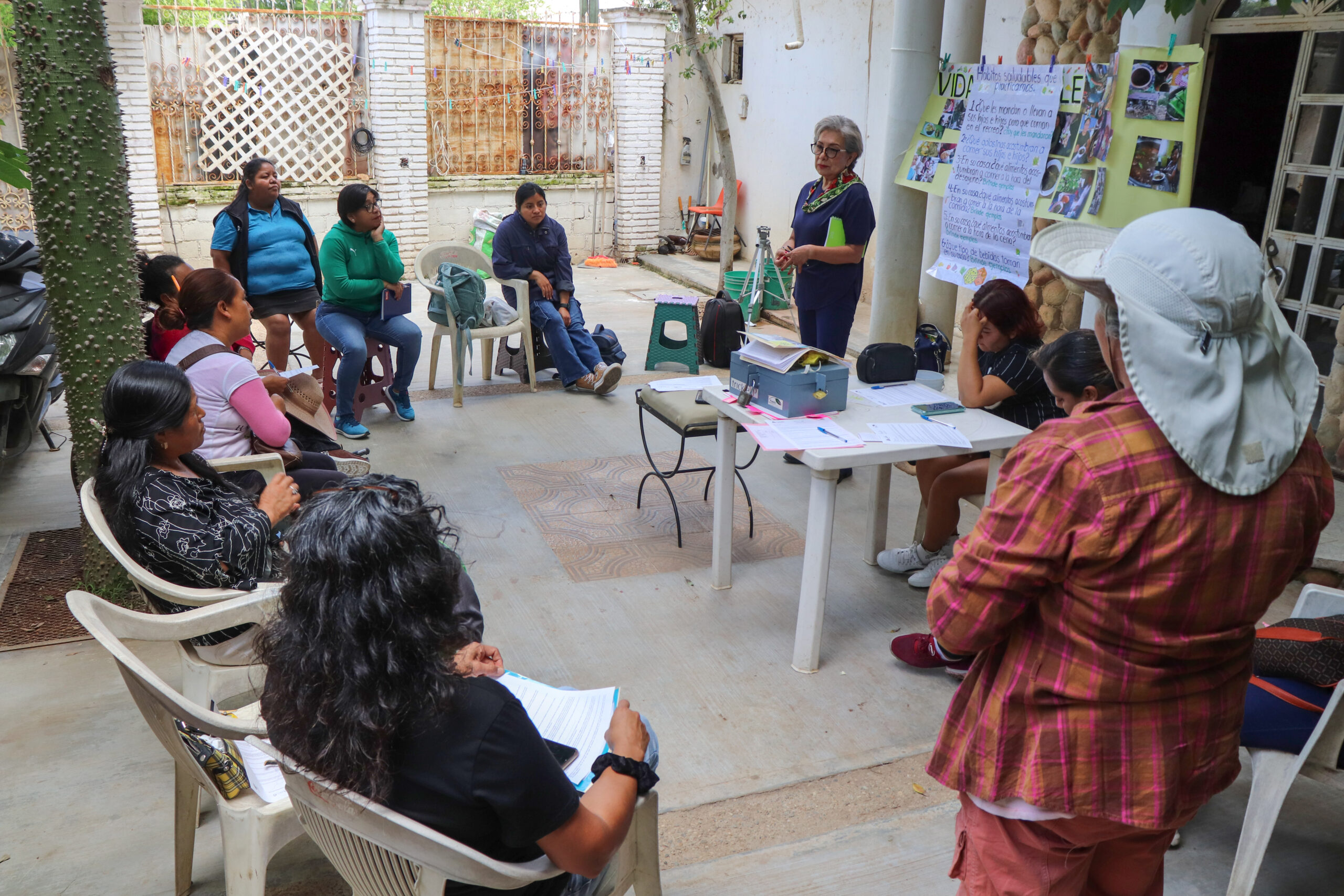
In Mexico, the “Live Healthy, Live Happy” National Strategy, established by the Mexican government, aims to promote the well-being and health of children attending schools across the country through initiatives focused on promoting healthy lifestyles. 2
The objective of this study was to explore the knowledge, perceptions, awareness, and dietary habits related to the the “Live Healthy, Live Happy” National Strategy among caregivers of children and adolescents attending public elementary and middle schools in the communities of Villa of Zaachila and the Mixteca region in Oaxaca.
METHODS
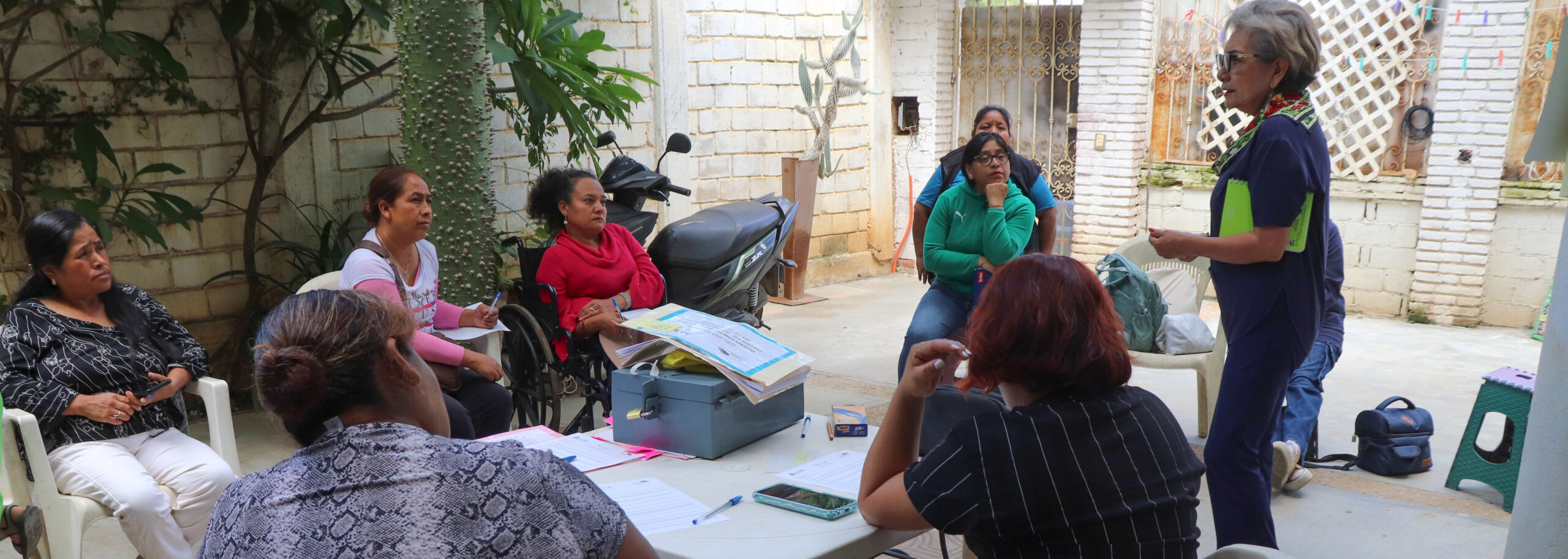
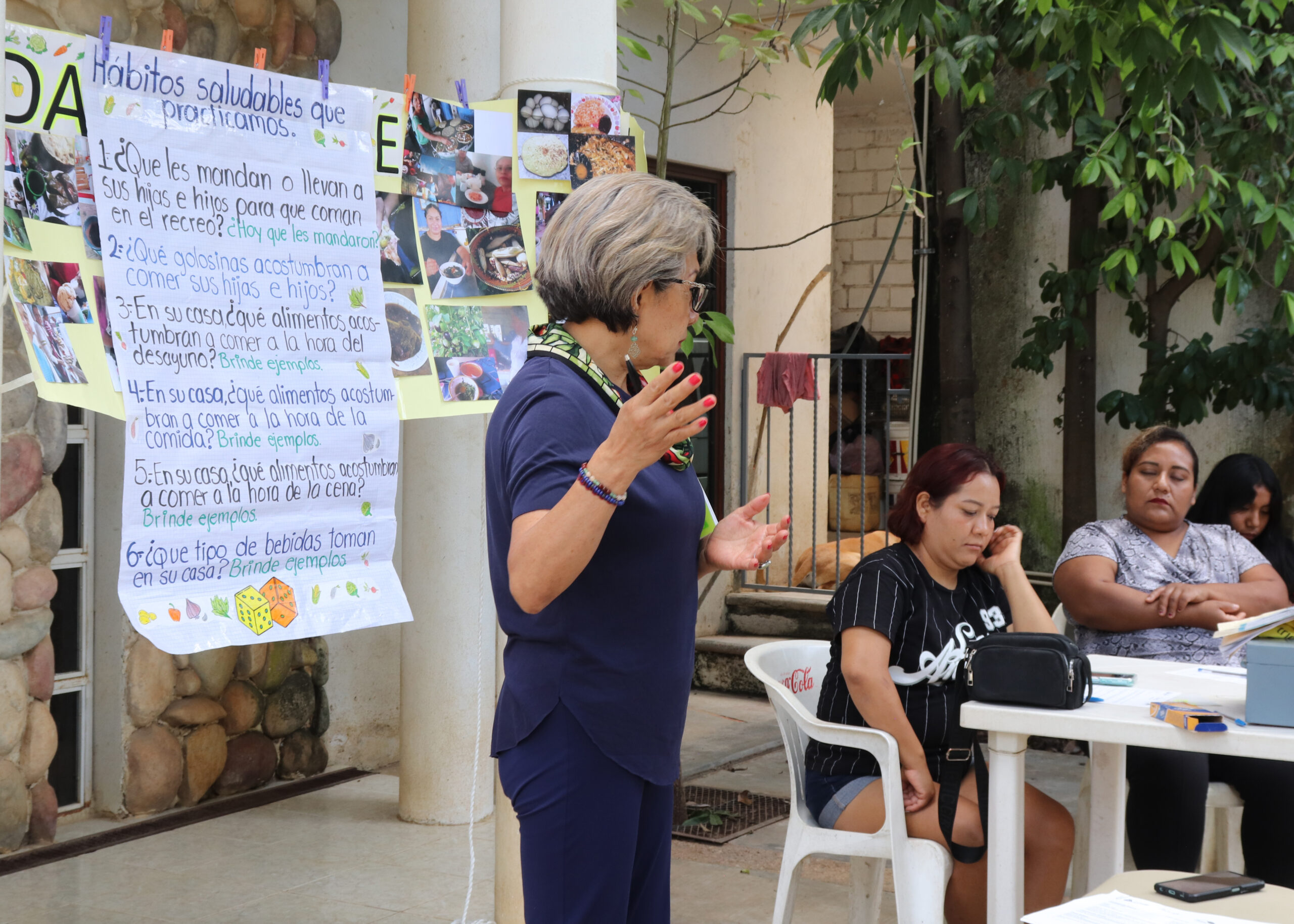
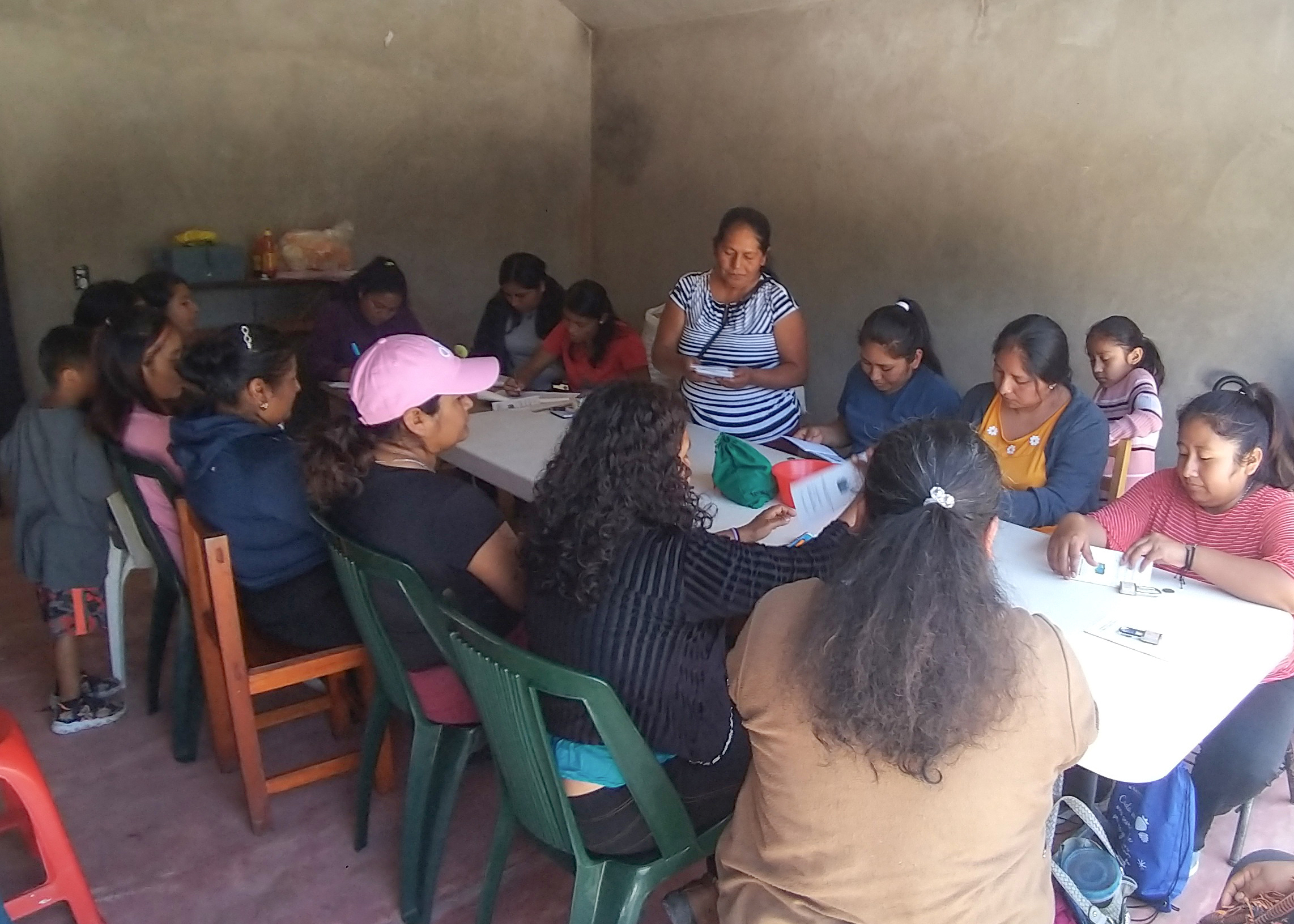
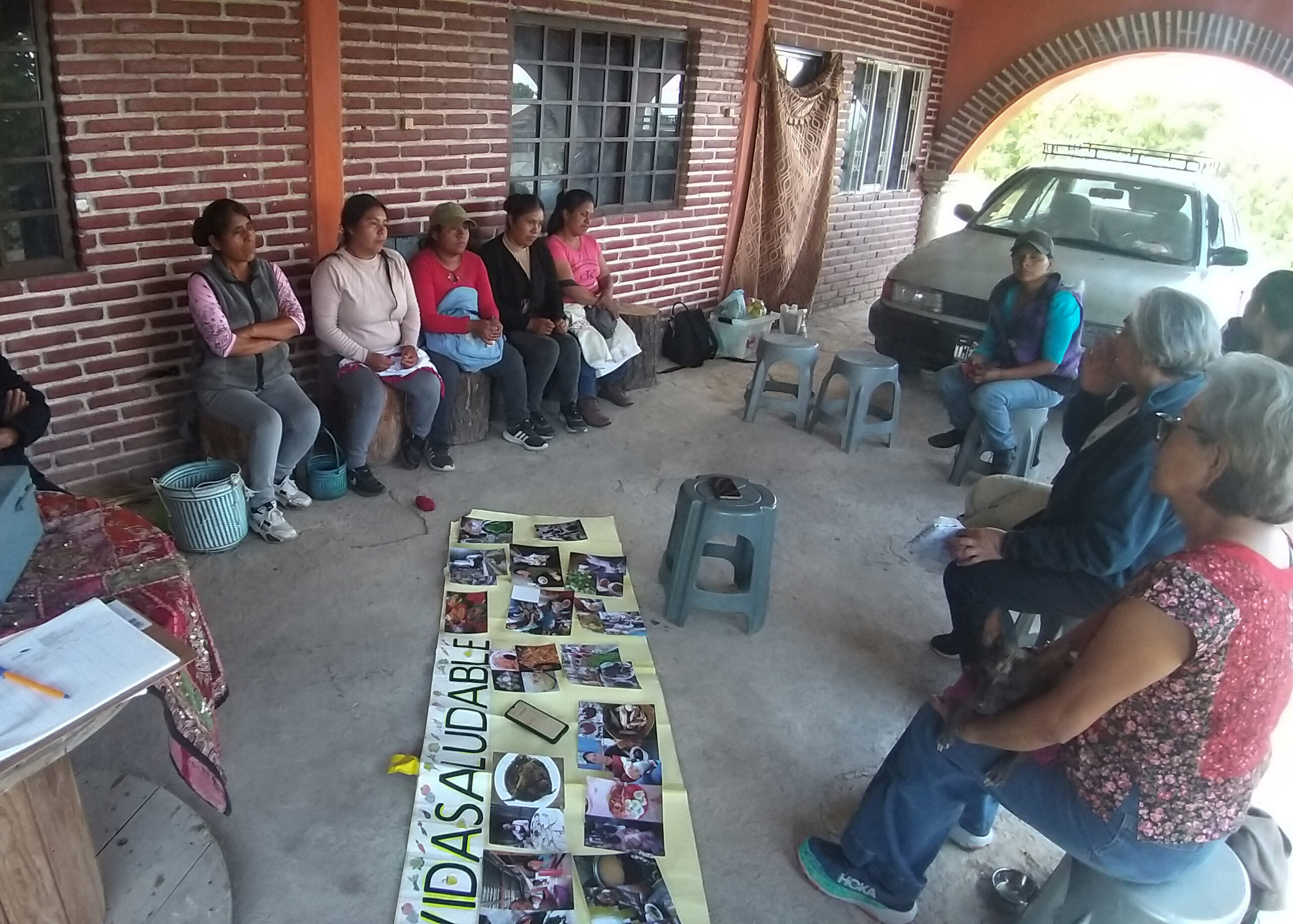
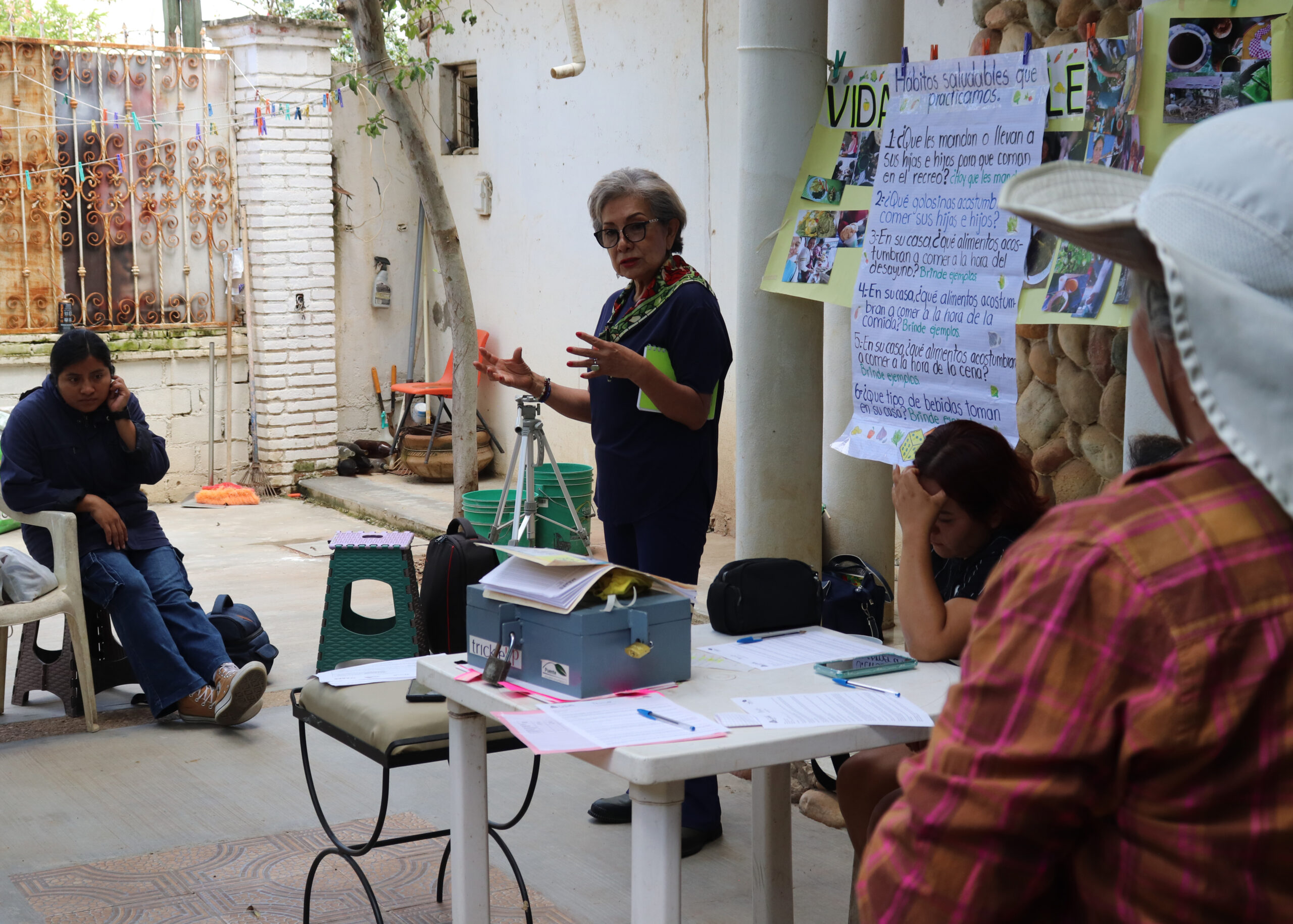
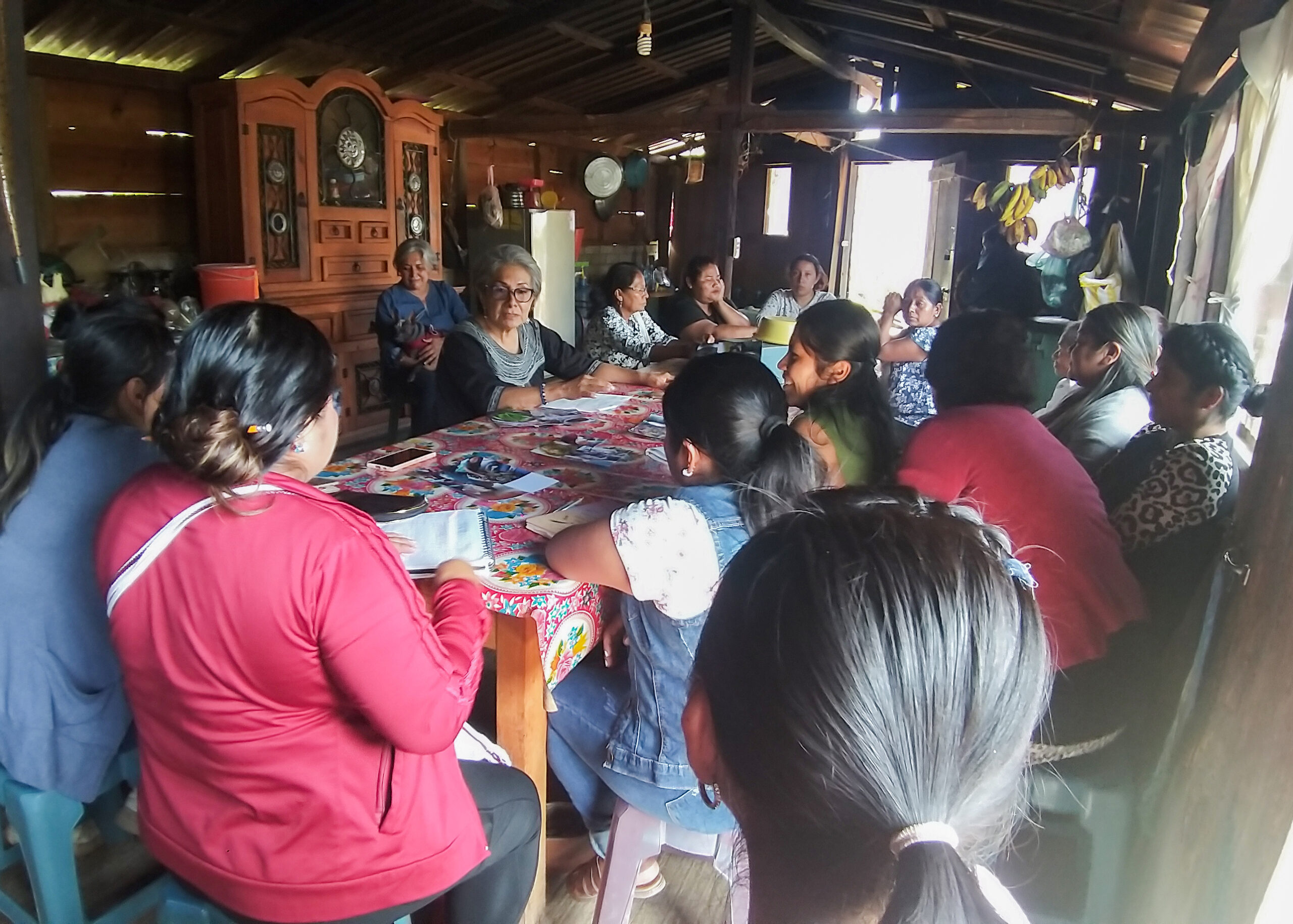
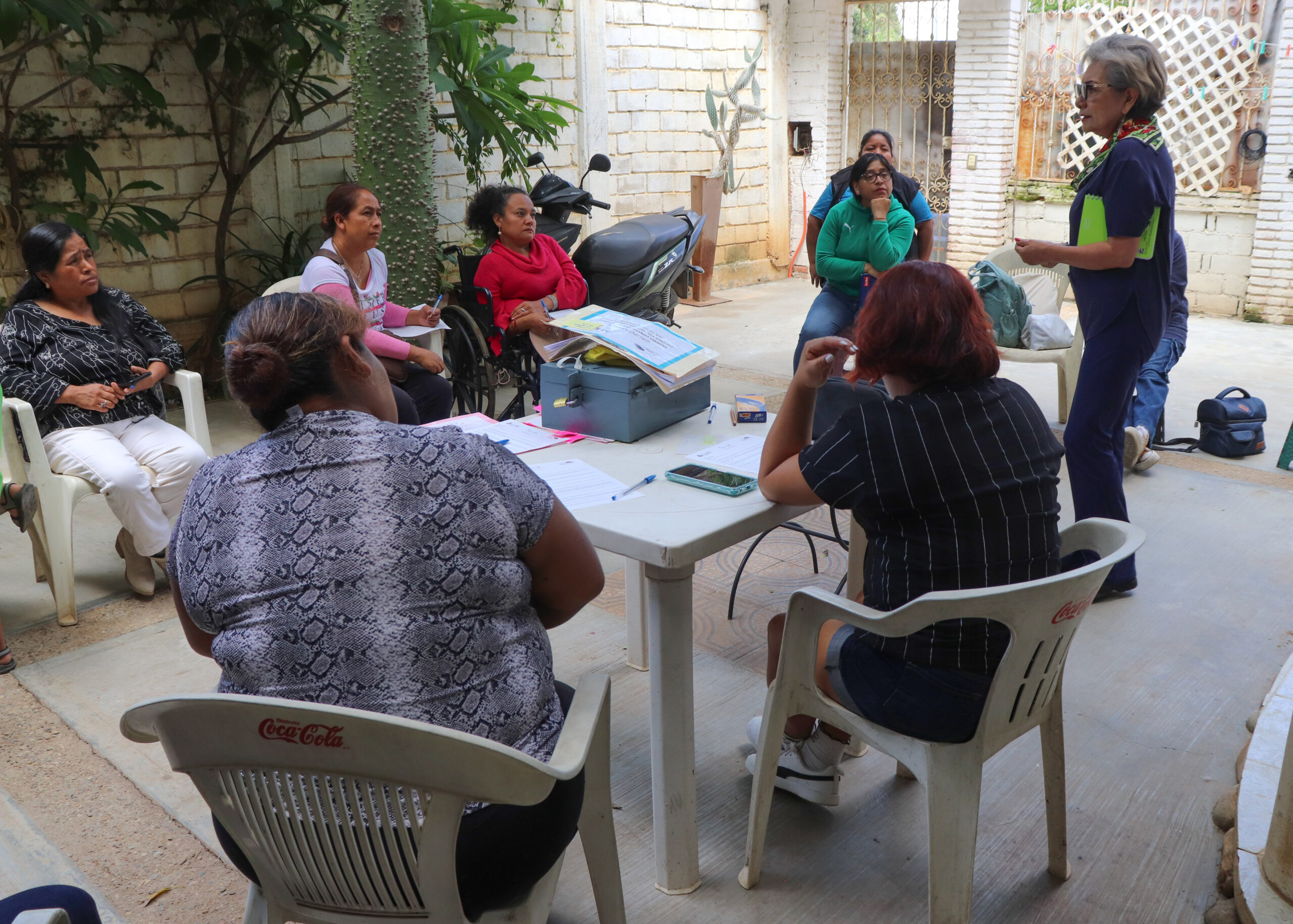
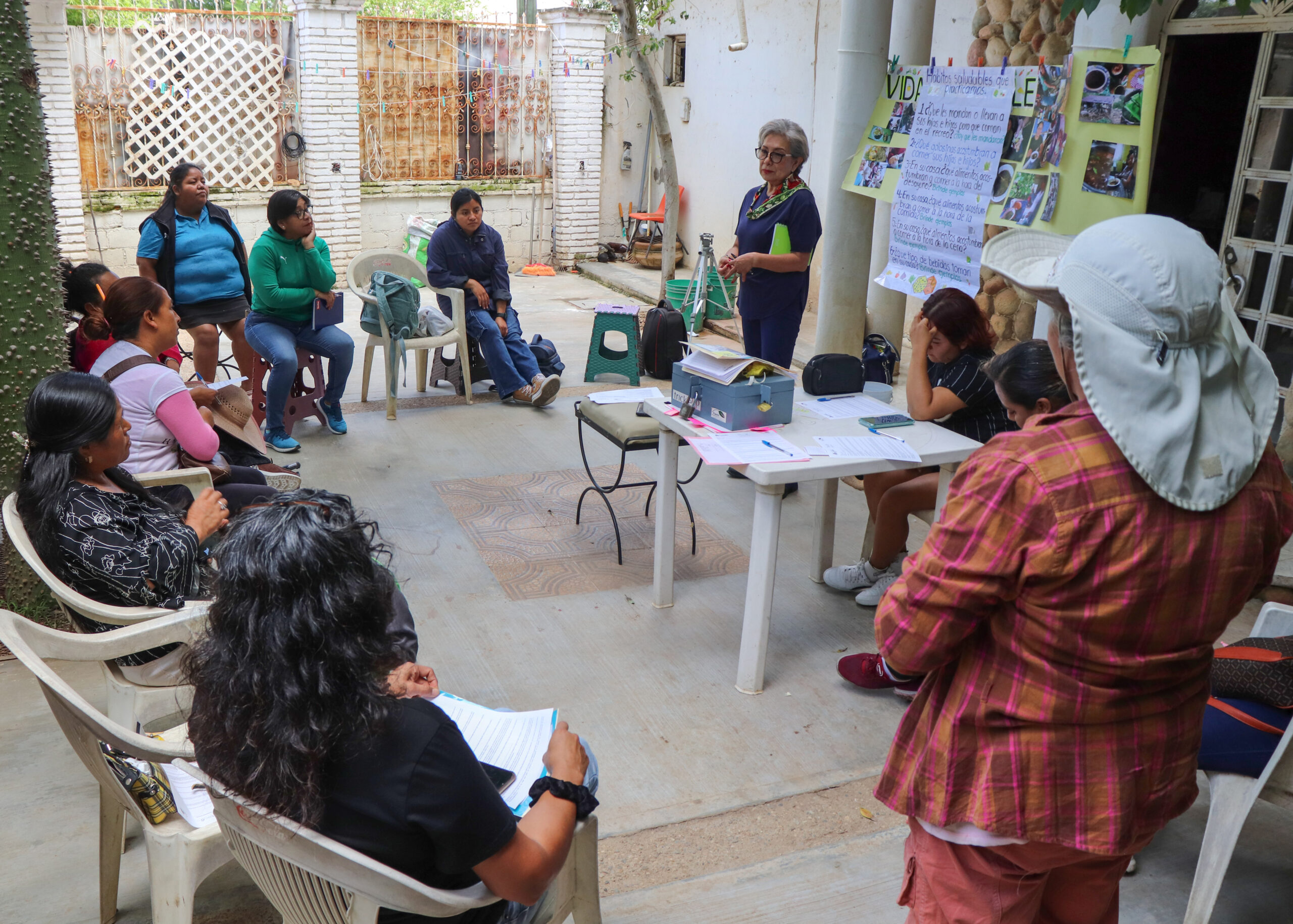
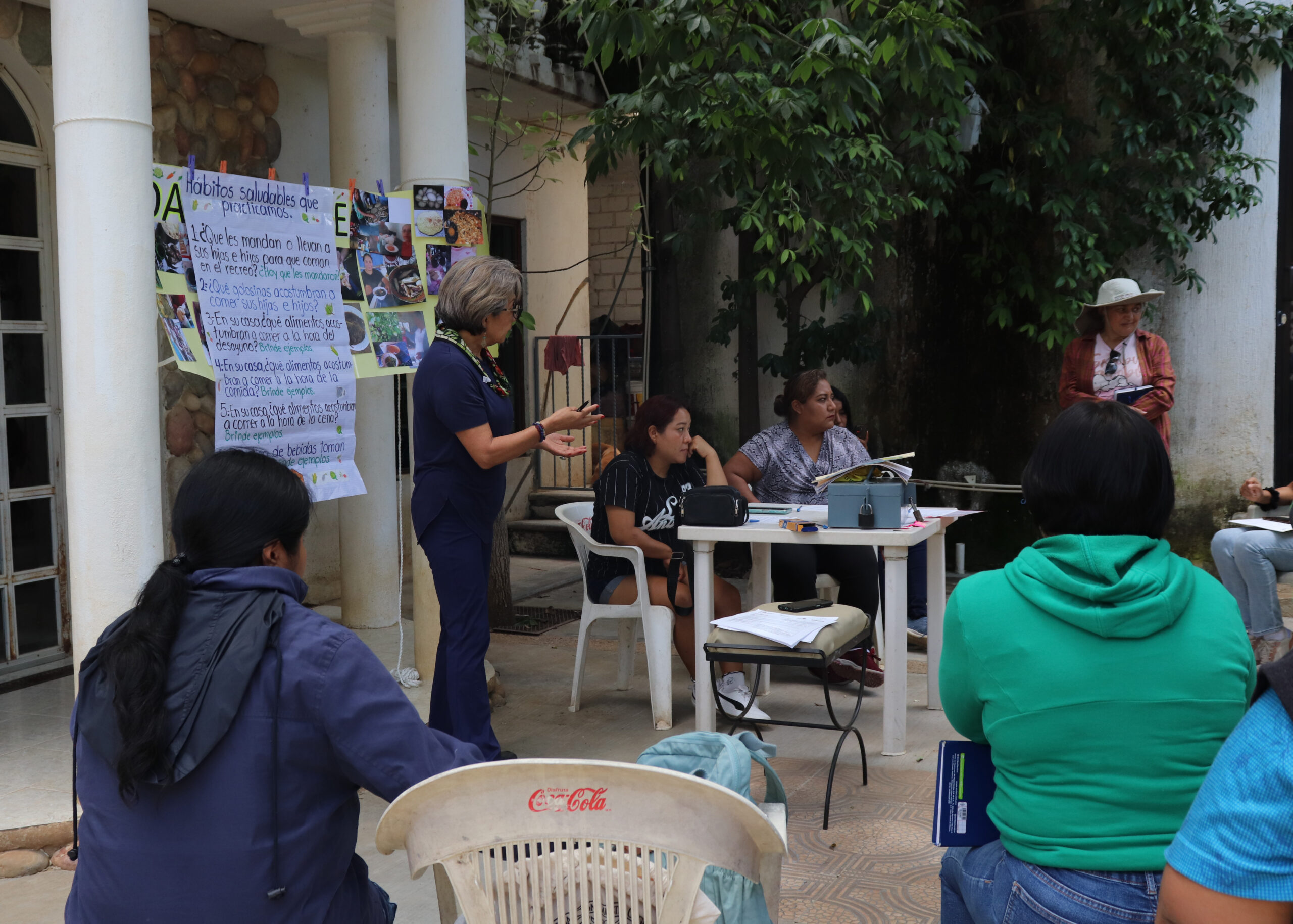
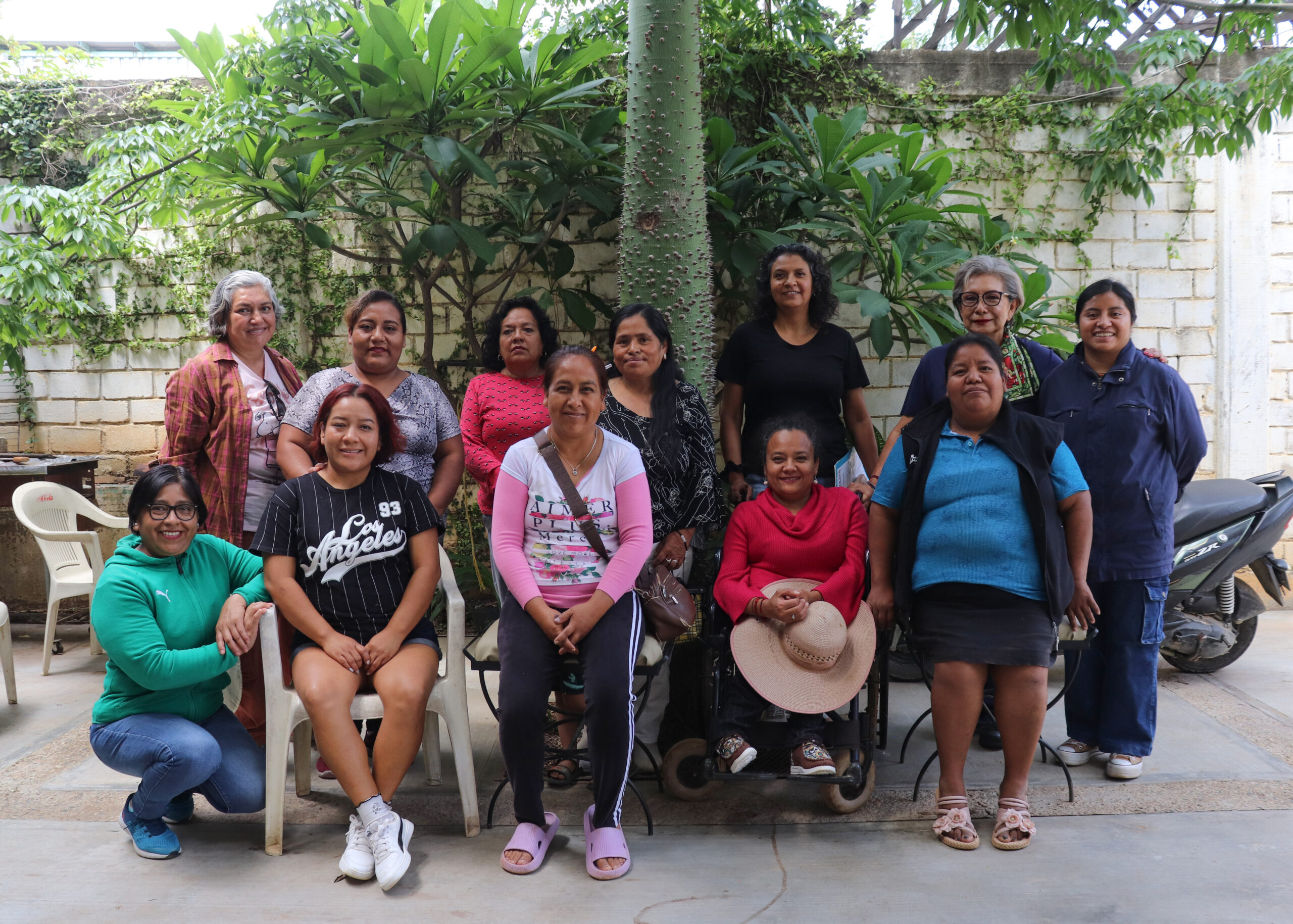
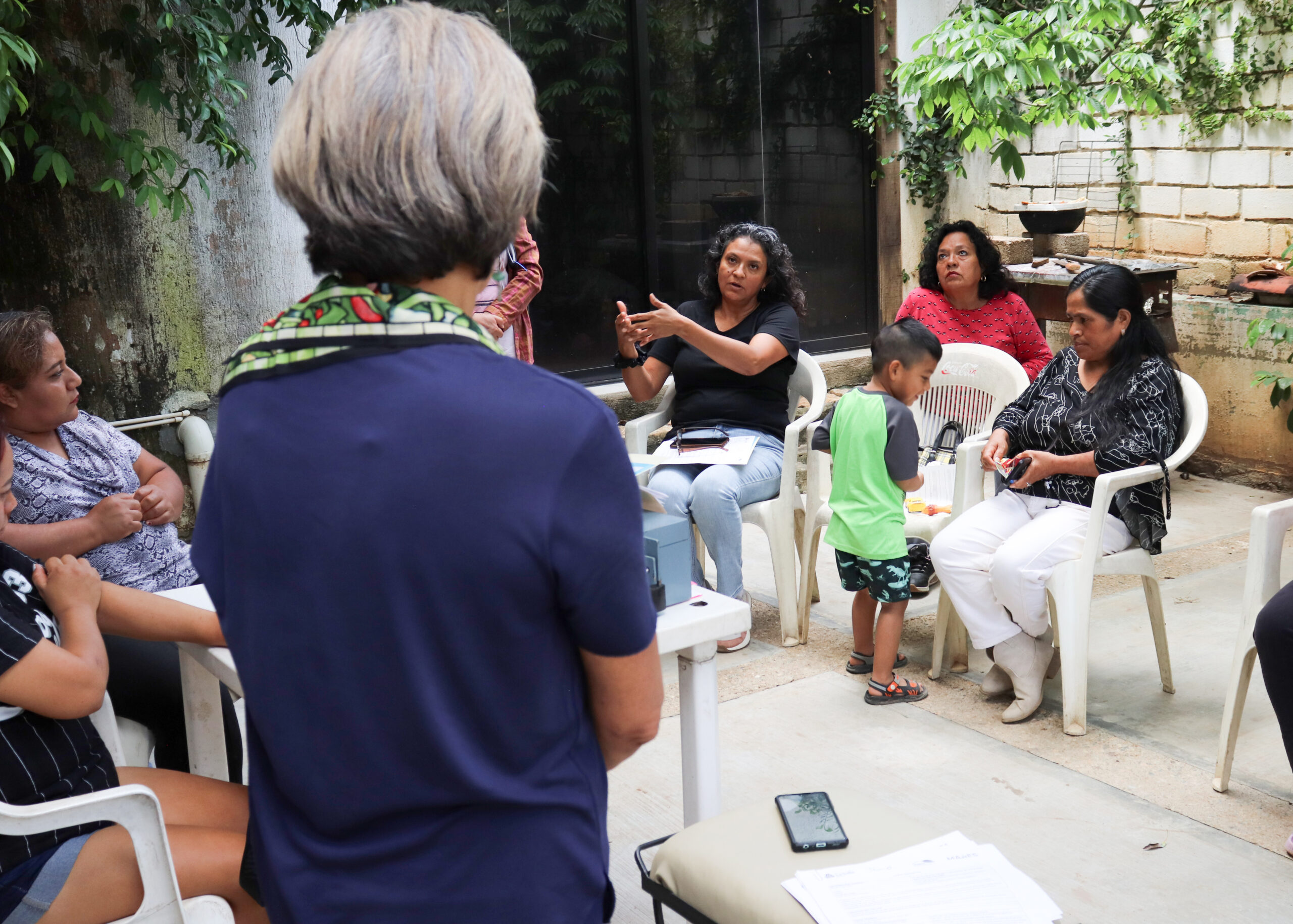
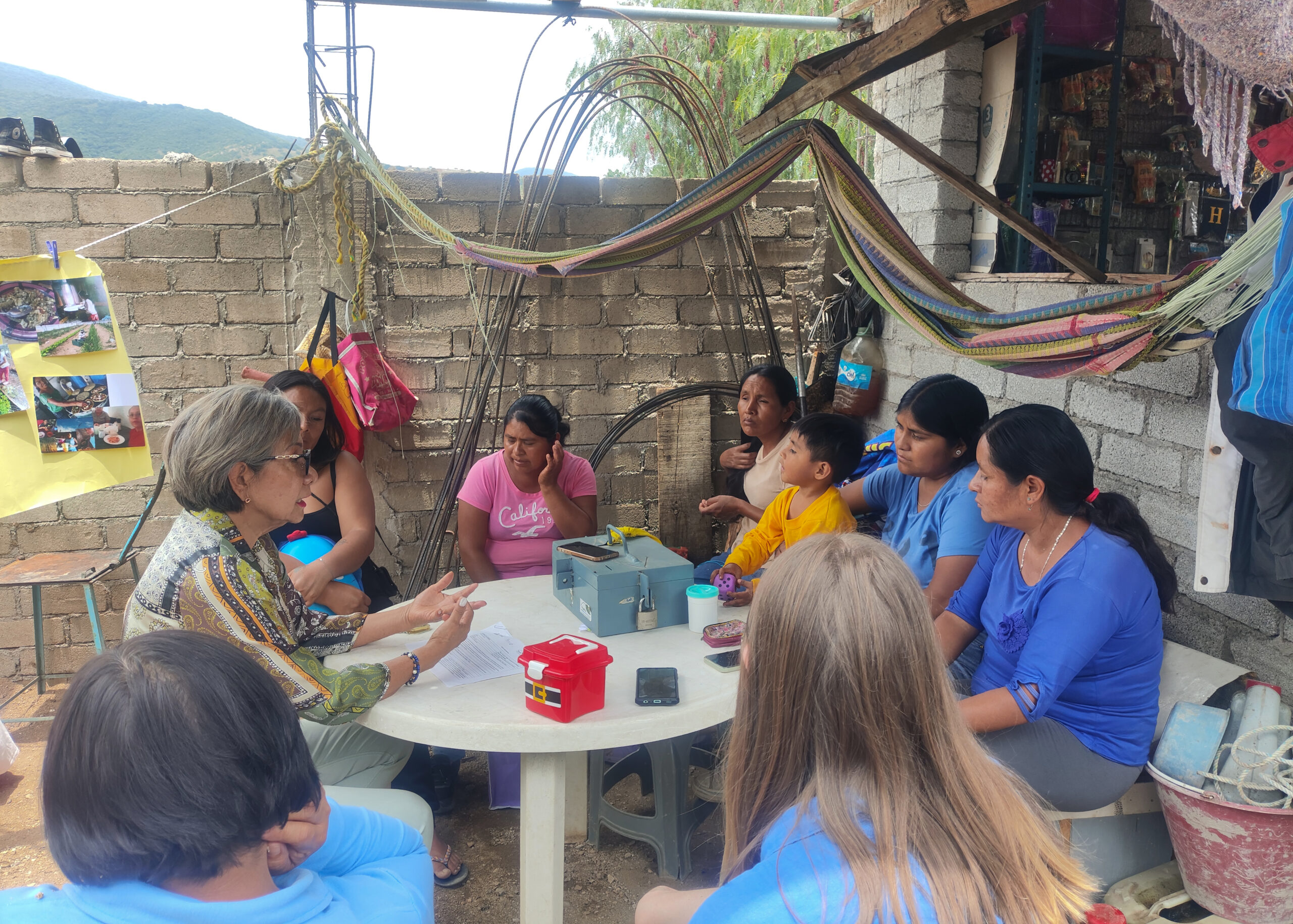
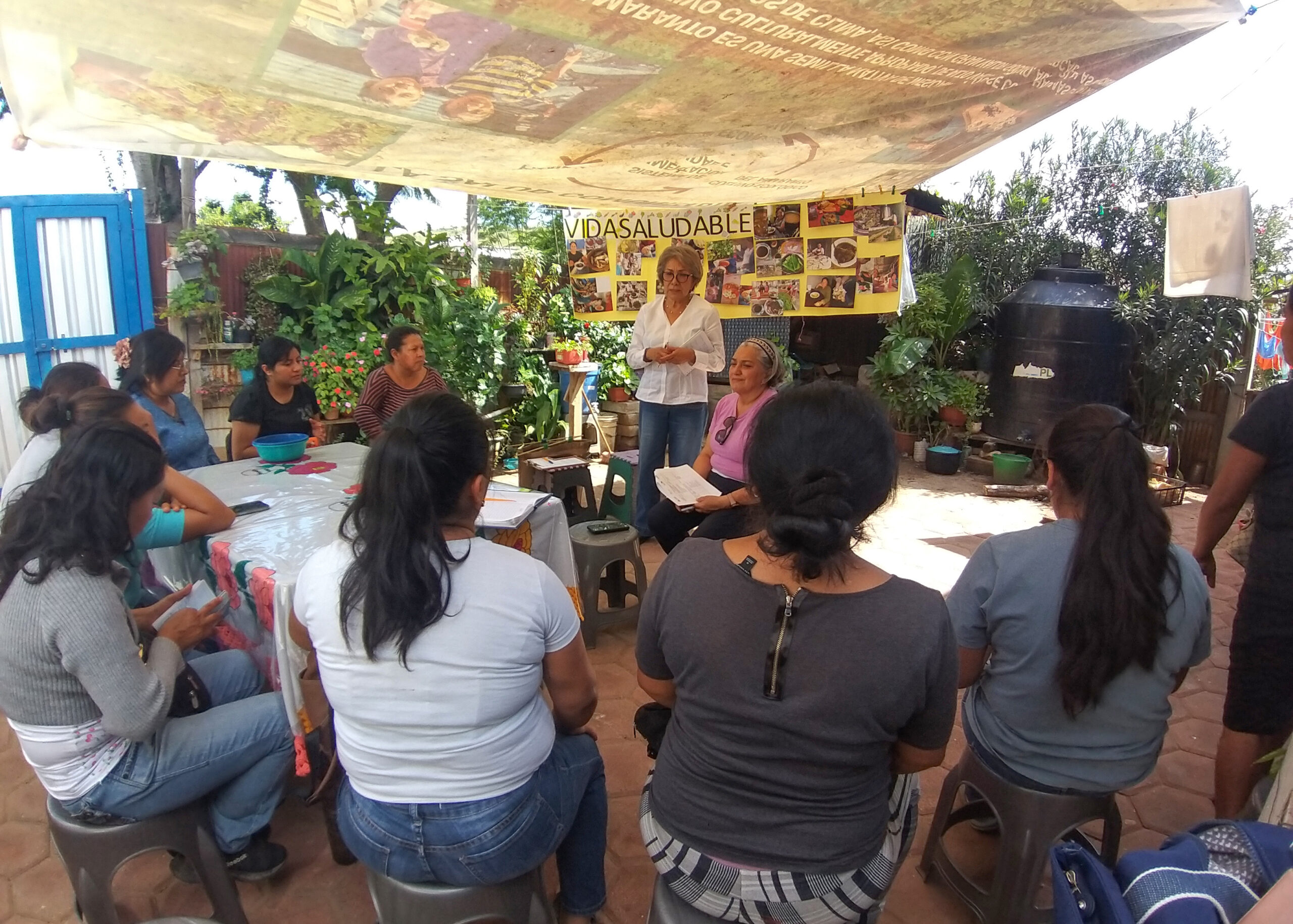
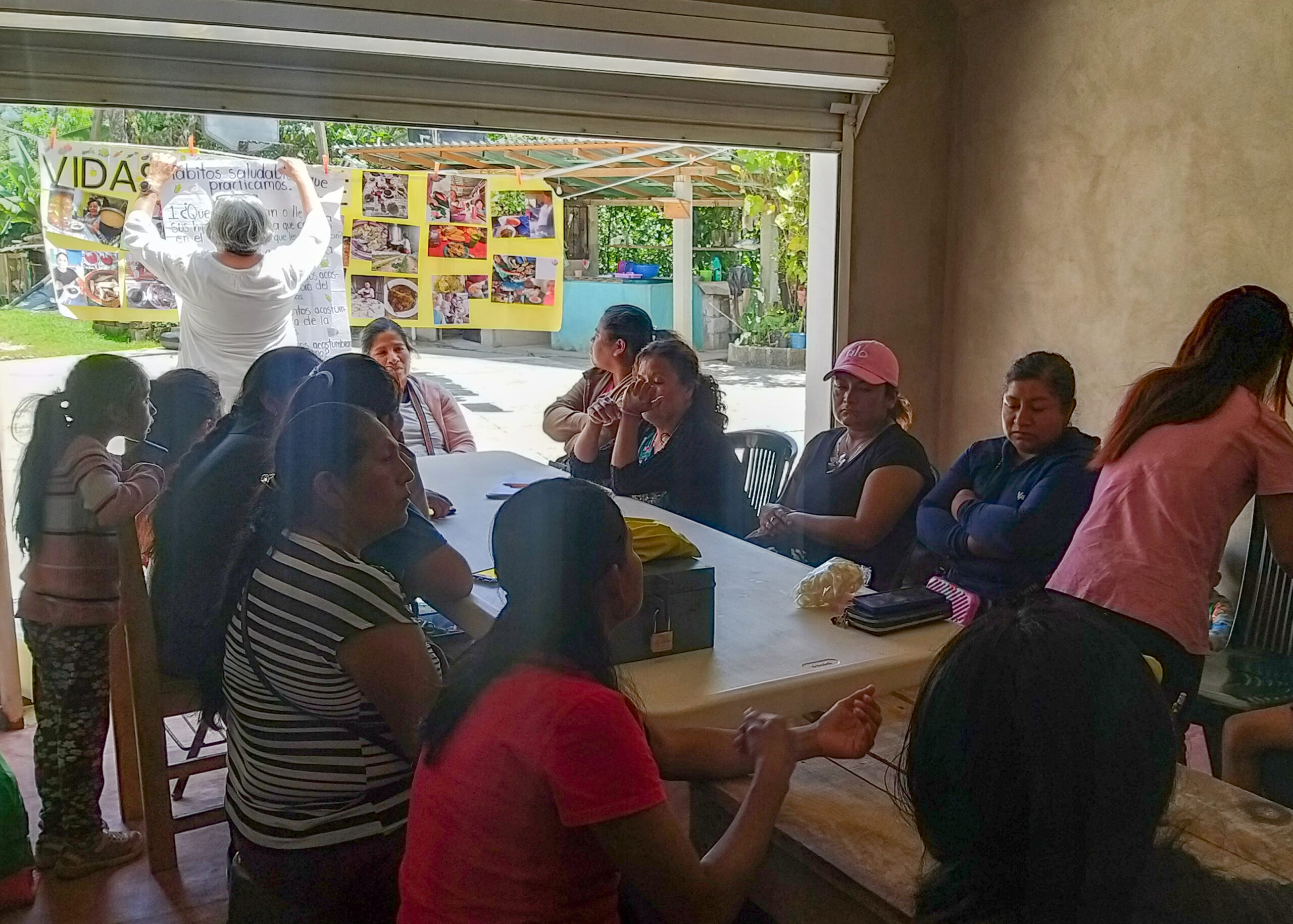
A cross-sectional study using qualitative methodology was conducted in the communities of Villa of Zaachila and Mixteca region, involving seven focus groups of women caring for children and adolescents. Sociodemographic and cultural data were collected, and a semistructured interview guide was used to explore knowledge, perceptions, awareness, and dietary habits. The data were organized into the aforementioned categories, and a manual matrix was created to ensure interpretive validity and methodological rigor through content analysis.
RESULTS
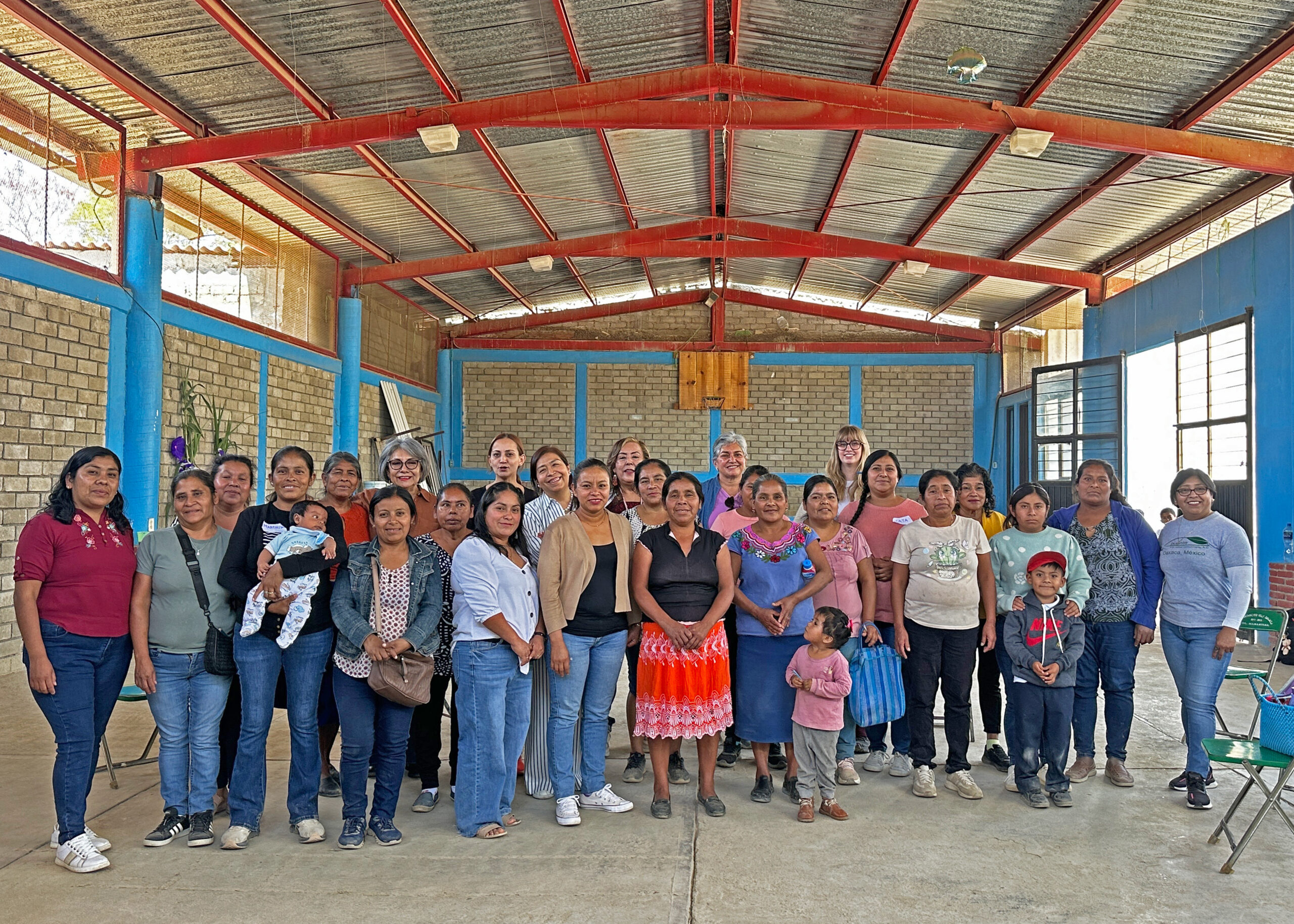
A total of 60 women, aged 22 to 70, participated in the study; some of them have been involved in local health centers and school committees in their community. The results are described by category below:
Knowledge and Perception: Participants viewed the initiative to eliminate the sale and consumption of unhealthy foods (“junk food”) in school settings positively and acknowledged the coexistence of malnutrition alongside overweight and obesity.
Awareness: Participants highlighted the rise in obesity, its causes, and consequences, including noncommunicable diseases.
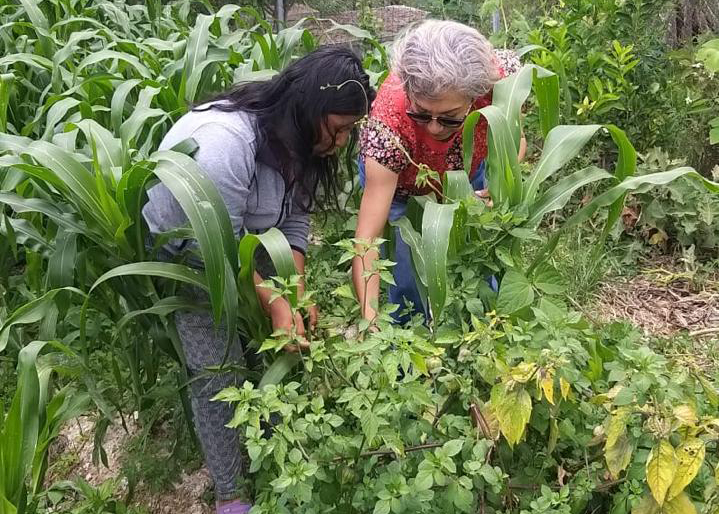
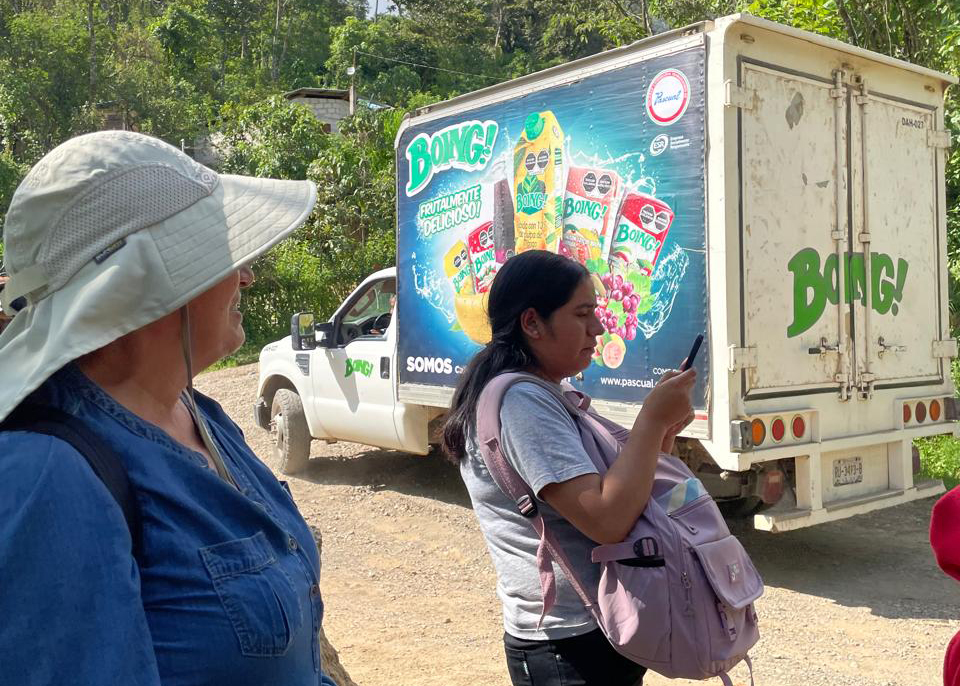
Eating Habits: They reported that junk food consumption persists despite the implementation of the strategy; however, they emphasized the importance of revitalizing traditional food culture—specifically the locally produced “milpa diet”—as a protective factor.

CONCLUSION
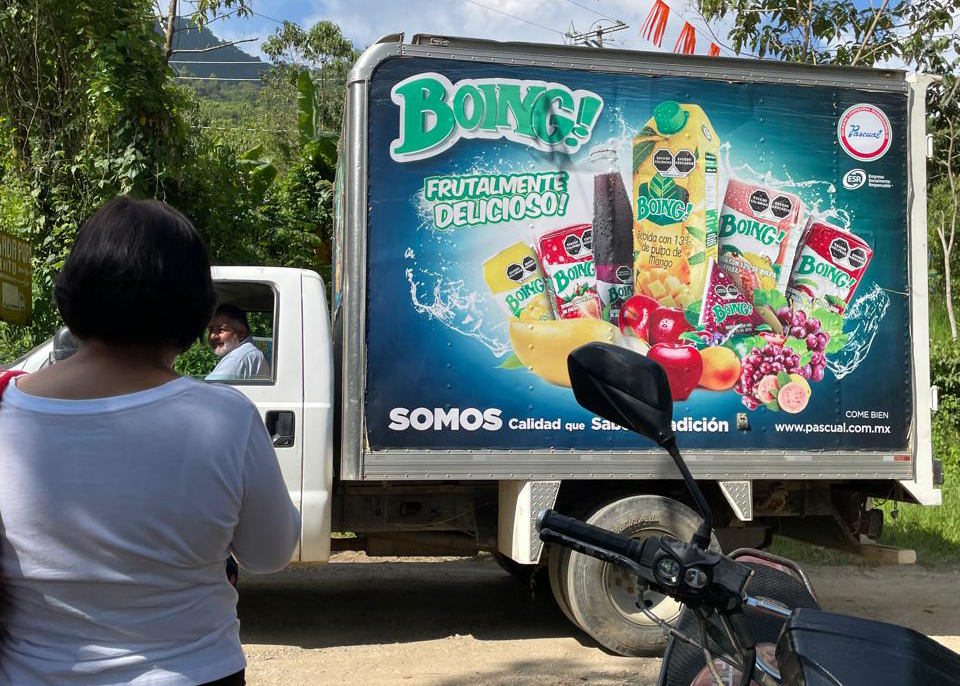
The study participants do not recognize or identify with the name of The “Live Healthy, Live Happy” National Strategy; however, they view the actions resulting from its implementation positively and acknowledge the health risks associated with malnutrition. They also expressed concerns about structural limitations regarding the availability of junk food within the community, which interferes with the consumption of locally produced healthy foods and negatively impacts health.
Finally, we recommend consistently strengthening the promotion, cultural adaptation, and monitoring of the “Live Healthy, Live Happy” National Strategy, as it has been positively received by the communities studied. We conclude with another question:
How can public health policies be designed from an intercultural perspective that ensure access to nutritious food (food security) and respect traditional production systems (food sovereignty) among Mexico’s indigenous peoples?