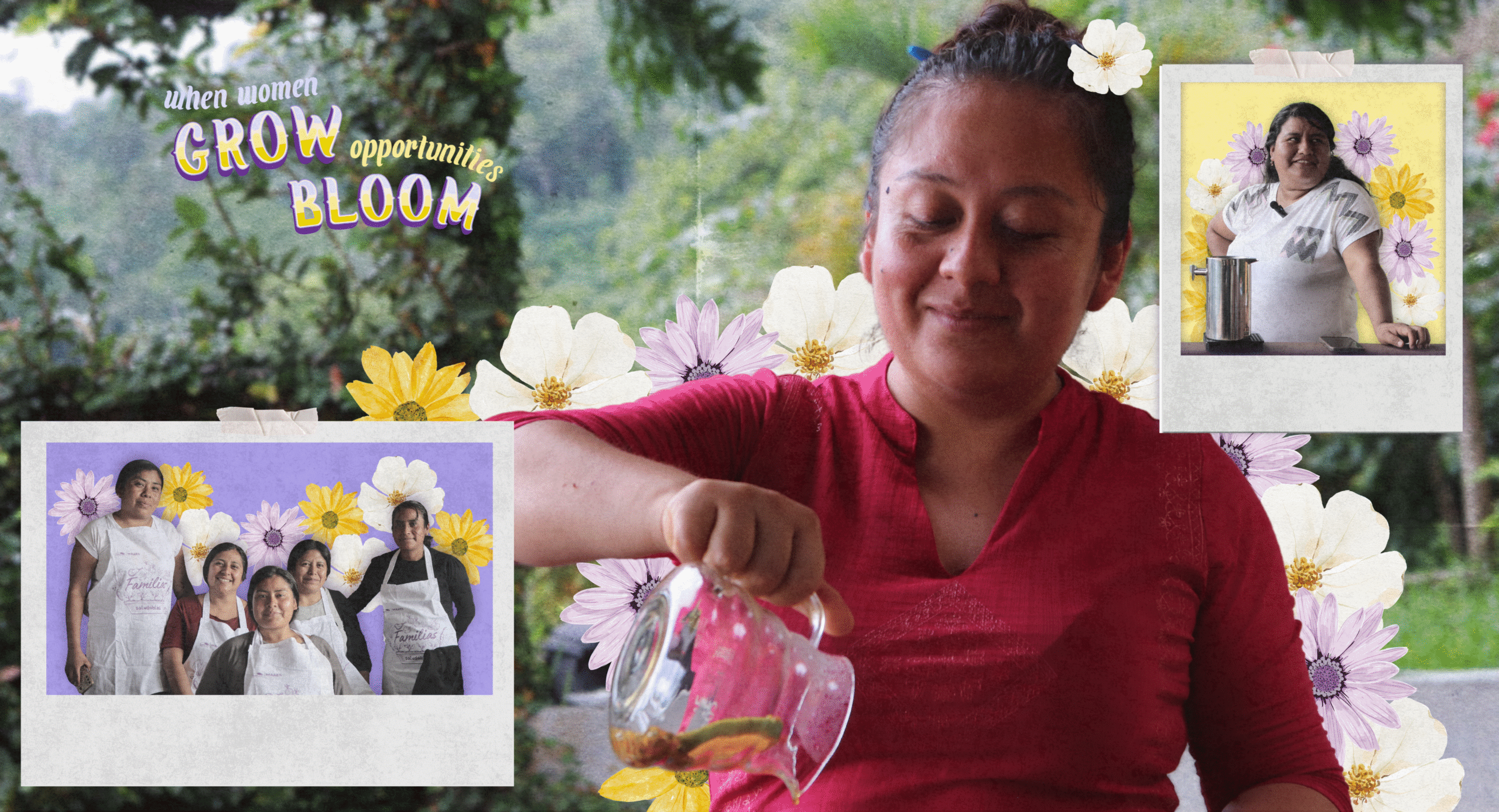
When women grow, opportunities bloom

Just like the life cycle of a flower, the life cycle of a woman is a journey of growth, transformation, and blooming.

This year’s annual campaign is an invitation to invest in the soil and watter that support women’s journey, and to see them bloom to create more opportunities for them and their communities.

🌼

Why women?

Women bloom with opportunities yet, their access is limited. This situation is more critical for women living in underserved communities where gender inequality is deeply entrenched.

In Oaxaca the growth of a woman, in education, economic autonomy, and community leadership, has a multiplier effect that transcends the individual, as it profoundly impacts her family and community.

From coffee farmers who sow hope, recyclers who transform the future, entrepreneurs who create opportunities, and women who save in solidarity, every step they take opens paths of well-being and dignity for everyone.

From coffee growers sowing hope, recyclers caring for the future and women saving in solidarity, every step they take opens paths of well- being and dignity for everyone.  

This year’s annual campaign is an invitation to support and accompany their development. With your help, we can multiply the impact of your donation, ensuring project continuity and sustainability while including more women in their growth.

🌼1/2

When women grow, opportunities bloom because, with skills and resources, they recognize themselves as capable of step into positions of power, they create more opportunities not only for themselves but for everyone around them.

Multiply the reach of your donation: plant a seed that grows dreams and harvests futures. 

🌼1/2

THE CHALLENGES FACING WOMEN IN THE MIXTECA AND SIERRA SUR

The Mixteca and Sierra Sur regions, with 10 of the 12 poorest municipalities in the state, are characterized by high marginalization, low human development indexes (4th and 2nd regions with the highest population living in poverty, respectively).

Poverty is intensified by remoteness from the state capital. Accessing vital services, benefits or social programs becomes extremely difficult when a 200 km driving distance can easily turn into a 6-hour commute across rural and mountainous terrain.

Given these travel difficulties, high related costs, and women’s given essential roles in family care and mandatory commuity service, traveling to Oaxaca for training or project participation is virtually imposible.

To address this, our teams go on the road, directly saving the physical and symbolic distance between women and their dreams.

Despite their central role in the community development, women’s rights, especially land rights, remain restricted, hindered by discrimination and limited participation in communal assemblies.

Traditionally, indigenous political systems (Usos y Costumbres) have played a predominant role in the designation of local authorities. However, with the consolidation of the political party system and the implementation of electoral reforms, there has been a transition towards a more institutionalized model, yet tensions persist between the traditional and the modern. Even though progress has been made in terms of inclusion, women and young people continue to face obstacles in gaining access to elected office.

The Oaxaca Women’s Secretariat highlighted the attention given to 54 cases of gender-based political violence (43 in 2023, and 11 so far in 2024), which were mainly concentrated in the Central Valleys, the Coast and, particularly, in the Mixteca. It is worrying to note that the victims, mostly female councilors, have suffered violence at the hands of their own colleagues in the City Council.

In the Mixteca region of Oaxaca, family economies and women’s rights are deeply intertwined within a context where subsistence agriculture coexists with migration. Here, the land sustains not only livelihoods but also culture and identity.

In many communities, family economies are dual: while men migrate in search of income, women shoulder a double workload, managing both the home and the fields and often engaging in trade or other small-scale economic activities.

Their main activity is home care work, but they are also largely engaged in agriculture, particular in coffee production, cleaning plots of land, and some have micro businesses (selling food, desserts, and catalog sales).

Their knowledge of agriculture is extensive; however, they have little or no access to professional training in entrepreneurship, agroecological and commercial production techniques.

Agriculture remains rooted in tradition and food sovereignty, yet it faces growing challenges such as climate change, limited access to resources, and the lack of agroecological practices that could make cultivation more resilient.

Both regions are characterized by a rich diversity of ecosystems that offer favorable conditions for the production of high-quality coffee. The rugged topography, fertile soils and humid temperate climate, with significant altitudinal variations, create a mosaic of microclimates ideal for the cultivation of coffee. However, these regions also face environmental challenges such as deforestation, soil erosion and especially climate change, which affect the sustainability of production and local biodiversity.

In 2023, Hurricane Agatha had a devastating impact on the region’s forests and coffee farms, especially in municipalities such as Pluma Hidalgo in the Sierra Sur regions. This situation, aggravated by the effects of climate change, caused a dramatic drop in production, reducing the harvest by 90% in some areas.

We are providing our expertise in sustainability, agroecology, and entrepreneurship to help growers adapt, recover coffee production, and rebuild a more resilient future.

For more than 20 years, Puente has worked across public schools, community organizations, and with women-led businesses to promote holistic well-being. This cross-disciplinary approach ensures that knowledge about nutrition and health remains central to building resilient and equitable communities.

Since 2020, SiKanda’s work, focused on reducing health and safety risks and preventing violence among women coffee farmers, has identified recurring challenges: gender inequality, scarce access to productive resources, and persistent barriers to decision-making. 

The kind of support we offer addresses things that many  of us take for granted: the opportunty to go to school, investing in specific training to learn a new skill, save and budget, ensure a balanced diet and health for our families, and dream of a brighter future for our children. 

The partnership with SiKanda is based on these principles: expanding support to women living in regions far from the state capital, areas that are often neglected due to their remoteness and limited access to basic services. Together, we strengthen women’s collective capacities and promote fairer and more resilient local economies.

PROJECTS

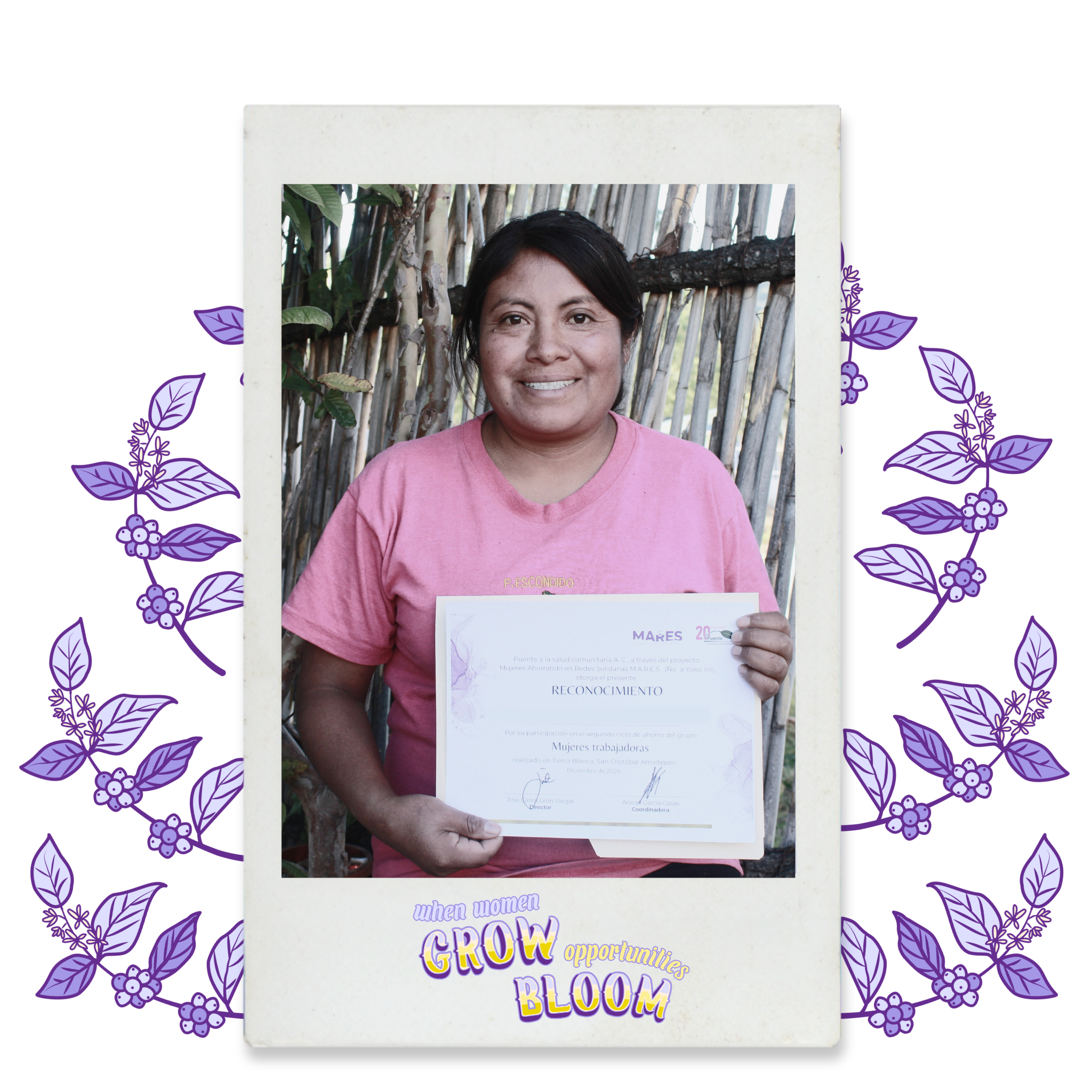
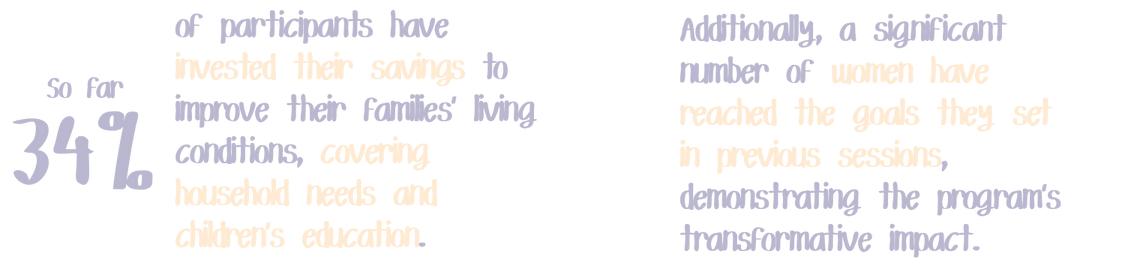
Through  Puente´s project: MARES,Women Saving in Solidarity, participants gain access to financial skills and learn collective savings strategies that help improve their families’ nutrition, stability, and well-being.

Along the savings groups, women unlock their potential, overcome the barriers imposed by traditional gender roles, and strengthen their economic and social participation—both within and beyond their communities.

SAVINGS & INCOME

In MARES, women exercise full autonomy and leadership, collectively managing finances, from setting share prices (max savings amount per session) and loan rates to safeguarding funds.

This self-governed microcredit system enables them to invest in vital projects, creating a cycle of solidarity that multiplies their agency and economic capacity.
AUTONOMY

Women build deep bonds of trust and sisterhood, discovering untapped strengths and skills within themselves.
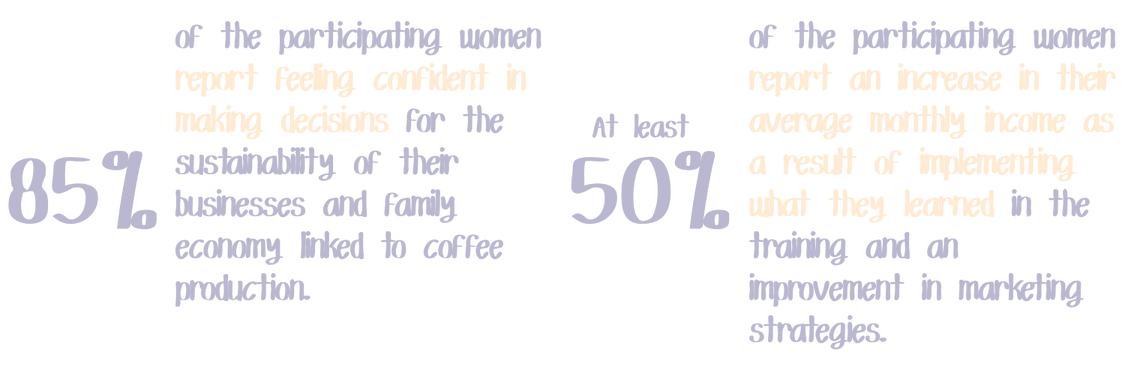
Feeling more confident and valued at home and in their communities, most participants begin to acknowledge themselves as providers and decision-makers, directly contributing to the diversification of family income.

In fact, 9% of participants have sucessfully created or strengthened their micro-enterprises usingtheir savings.

LEADERSHIP AND COMMUNITY PARTICIPATION

Through the project’s dynamic roles, women learn to lead, communicate, and take responsibility. This experience has encouraged many to see themselves as leaders and changemakers, mobilizing their communities to advocate for improvements in education and health services.

Through Women of Coffee Project, SiKanda supports women farmers in improving their income, accessing fairer markets, and achieving greater autonomy.

Faced with economic, community, and climate challenges, women have stepped up, breaking into a traditionally male-dominated market and taking on the generational role to lead the family business in new territories.

Approximately 80% of women living in coffee growing areas in Mexico have limited education, which influences their business management and economic planning.


HOW DO WE ACHIEVE CHANGE?

Through a set of strategic actions, Women of Coffee seeks to:

  • Strengthen Entrepreneurial Capacities: Provide technical training in business management, financial planning, and marketing to improve the profitability of their activities and their living conditions.
  • Promote Sustainable Production: Encourage the adoption of agroecological practices to preserve natural resources and improve the quality of coffee.
  • Promote Fair Trade: Facilitate access to more profitable markets and establish equitable commercial relationships with buyers.
  •  Improve women Agency at the local level: Promote active participation in decision-making by developing leadership skills, fostering linkages with public and private actors, and facilitating collaboration in women’s coffee grower networks.


When women have access to...

Training opportunities

They learn skills that strengthen their autonomy and decision-making ability. This allows them to expand their opportunities and translates directly into better living conditions for their children, who see them as role models of resilience and achievement.

Our projects deliver specialized, proven-results trainig that is specifically designed to address the unique challenges of the  participating women.

🌼1/4

Empowerment

They bring about cultural and emotional changes. By asserting their voice, finding strength within themselves, and exercising leadership in their community, they break cycles of inequality and convey to their families the importance of equality, dignity, and respect. Their achievements become seeds that germinate in the self-esteem of their children, in the recognition of their partners, and in the transformation of their immediate environment.


🌼2/4

Women´s  groups

They drive colective well-being. By joining solidarity savings groups, women help diversify family income, reduce economic dependence, and open the door to a more stable life. This economic empowerment cannot be measured in numbers alone: it is also reflected in confidence, security, and the ability to plan for the long term.

Groups provide a safe space to exchange and collaborate, where women organize to take action beyond the goals of the project.


🌼3/4

Nutrition Skills

They prioritize their families’ health, nutrition, and education, building a solid foundation for a future with greater possibilities.


🌼4/4