Berta’s Story and the Impact of MARES in Oaxaca

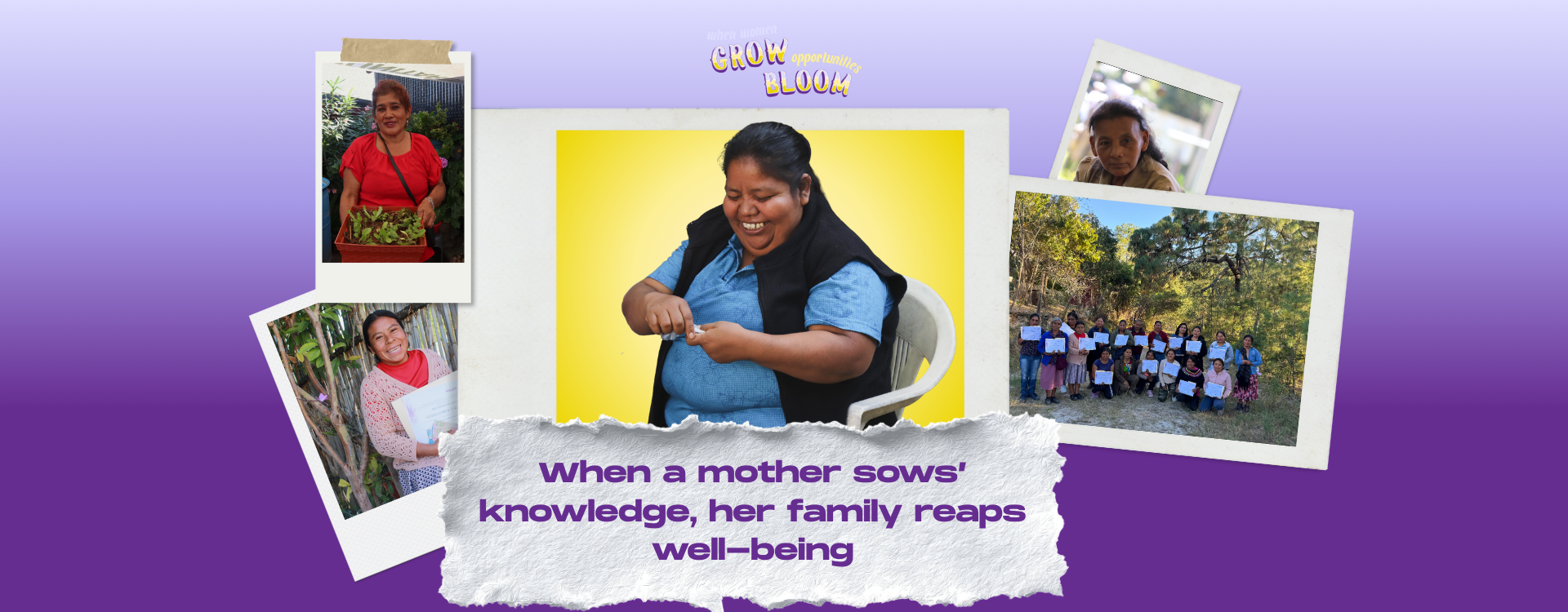
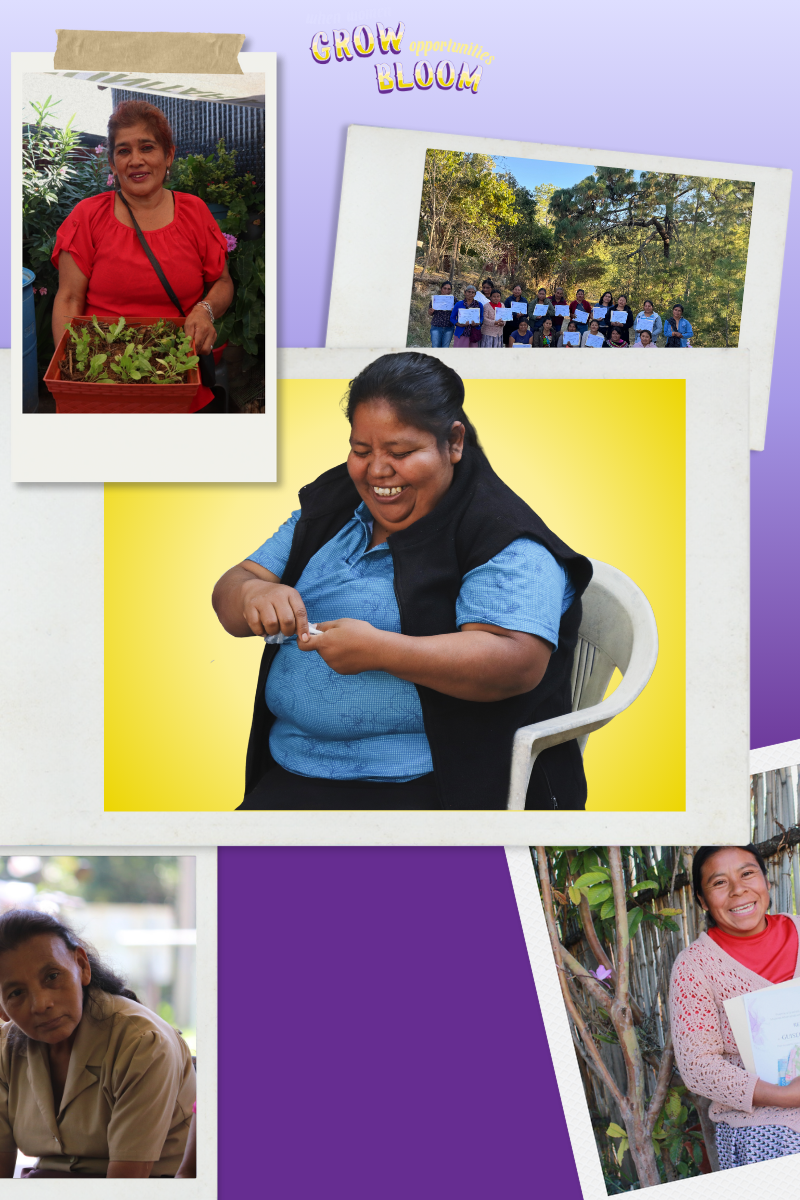
In the communities of Oaxaca, mothers cultivate much more than vegetables. Through collective savings and the knowledge gained from the MARES project (Women Saving in Solidarity Networks), the seed of their learning is beginning to bear fruit, fruit that nourishes their families, strengthens their businesses, and sustains dreams that once seemed out of reach.

One of these cases is Berta, a member of the group “Las Kardashian” in the Vicente Guerrero Neighborhood, in the eastern area of Zaachila. In 2022, she learned about the project while accompanying a friend, and that encouraged her to join the group in the following cycle.

“I serve as treasurer together with another colleague. I help count the money, collect the social contribution, and count the repayments of the loans. My colleagues put their trust in me; because they’re trusting me with the money that belongs to all of us, and it’s mine too. I have to take care of it and keep it safe, because now we’re all part of one team.

Before joining MARES, Berta had accessed loans with traditional microfinance institutions.

“From the first moment, I loved the dynamic. Here, we all follow through… we must motivate ourselves and put in the effort so our money can grow.”

MARES also provided opportunities for knowledge she had never had before: workshops on healthy living, financial education, budgeting, and future planning, tools she now uses to improve her late-night eatery business.

“I learned to say: today I earned this much, this part is for my savings, this is for buying gas for cooking, this is for electricity… and that’s how I started organizing myself. Saving changed the way I see money.”

The partnership with SiKanda builds on this foundation, extending support to women in the most marginalized regions of Oaxaca, areas that are often left behind due to their remoteness and limited access to infrastructure.
Her increased financial knowledge pushed her goals further. With loans managed within the group, ranging from $3,000MXN (150 USD) to $14,000MXN ($700 USD), Berta could invest in her son’s small audio and lighting rental business. They have purchased equipment, sets of lighting, and more.

Today, her family has a new goal: saving to buy a small car, a dream that, as the savings cycle closes in December, feels closer than ever.

“When I received my first $8,000MXN ($400 USD) in savings, I thought: never in my life had I saved so much. I couldn’t believe it… You do yourself a huge favor by saving. The satisfaction comes later.”

A Project That Transforms Lives, One Savings Cycle at a Time

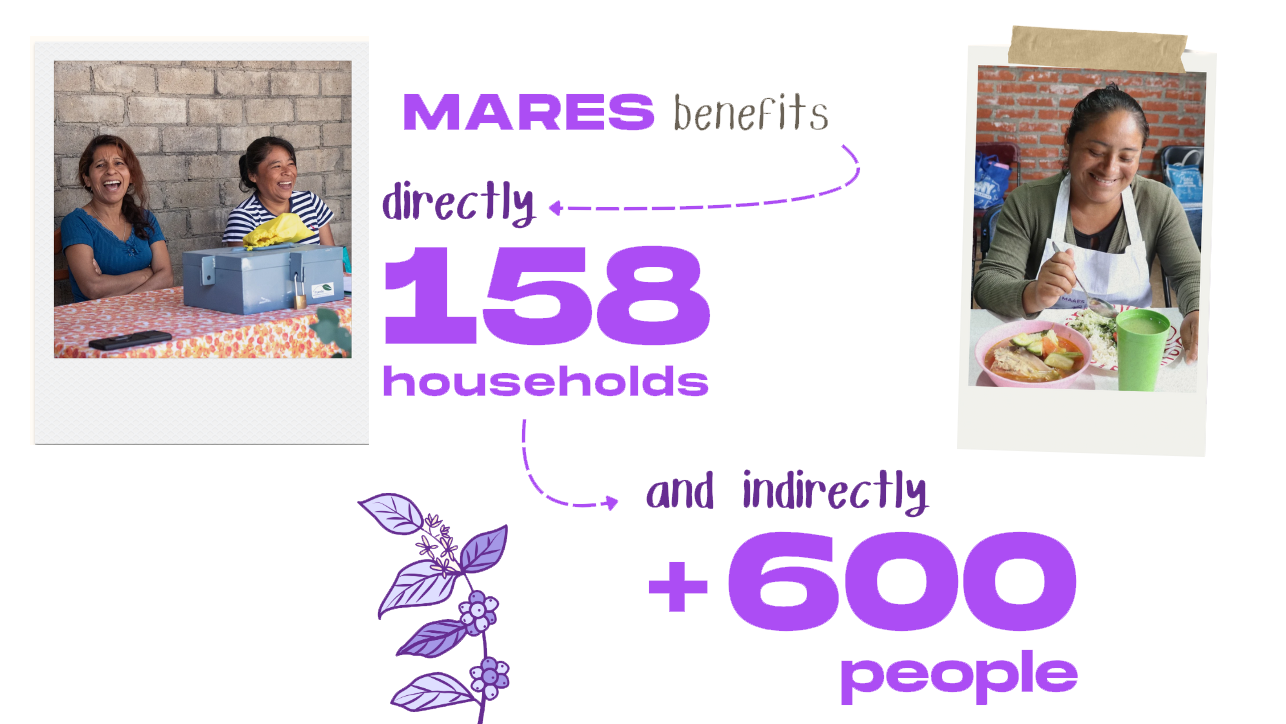
Like Berta, every week 158 women participate in one of the 10 savings and loan groups that form MARES in the communities of Zaachila and San Bartolo Coyotepec, in the Central Valleys Region, and Santa María Yucuhiti, and San Cristóbal Amoltepec, in the Mixtec Region.

All of them, mothers, farmers, and entrepreneurs, have chosen to sow new possibilities through autonomy and mutual support.

During the 2024 cycle, 37% of participants surpassed their annual savings goal. This year, the amount is estimated to increase to 60%

And in that same period, they were able to save $1,251,100MXN ($62,555 USD), a remarkable achievement in the context of high economic vulnerability.

“So far, my favorite place is being here. I feel very comfortable; we’ve developed the habit of saving. Here, with our savings, our money grows”

In addition to the habit and the personal savings goal each woman sets for herself, the group effort allows them to access short-term loans to cover emergencies or unexpected expenses, significantly reducing the need to turn to predatory lenders, a common practice in the region.

Having that support brings the added benefit that the interest paid goes back to the entire group. And although problems aren’t always fully resolved, knowing they can rely on the women in the group helps them face challenges with greater strength.

Each group operates autonomously: they elect their administrative committee, define rules, minimum savings amounts, interest rates, and more.

In each biweekly session, the women not only save, they learn, support one another, and build community.

Since 2022, more women like Berta have been making safer financial decisions, building small businesses, facing emergencies with greater stability, and sharing with their children the value of what they’ve learned.

Every contribution to MARES plants real opportunities: more workshops, more savings groups, more accessible loans, more family businesses that grow, more children who eat better, more women who discover that yes, they can save, they can plan, they can lead.

Because when a woman saves, her whole community blossoms.

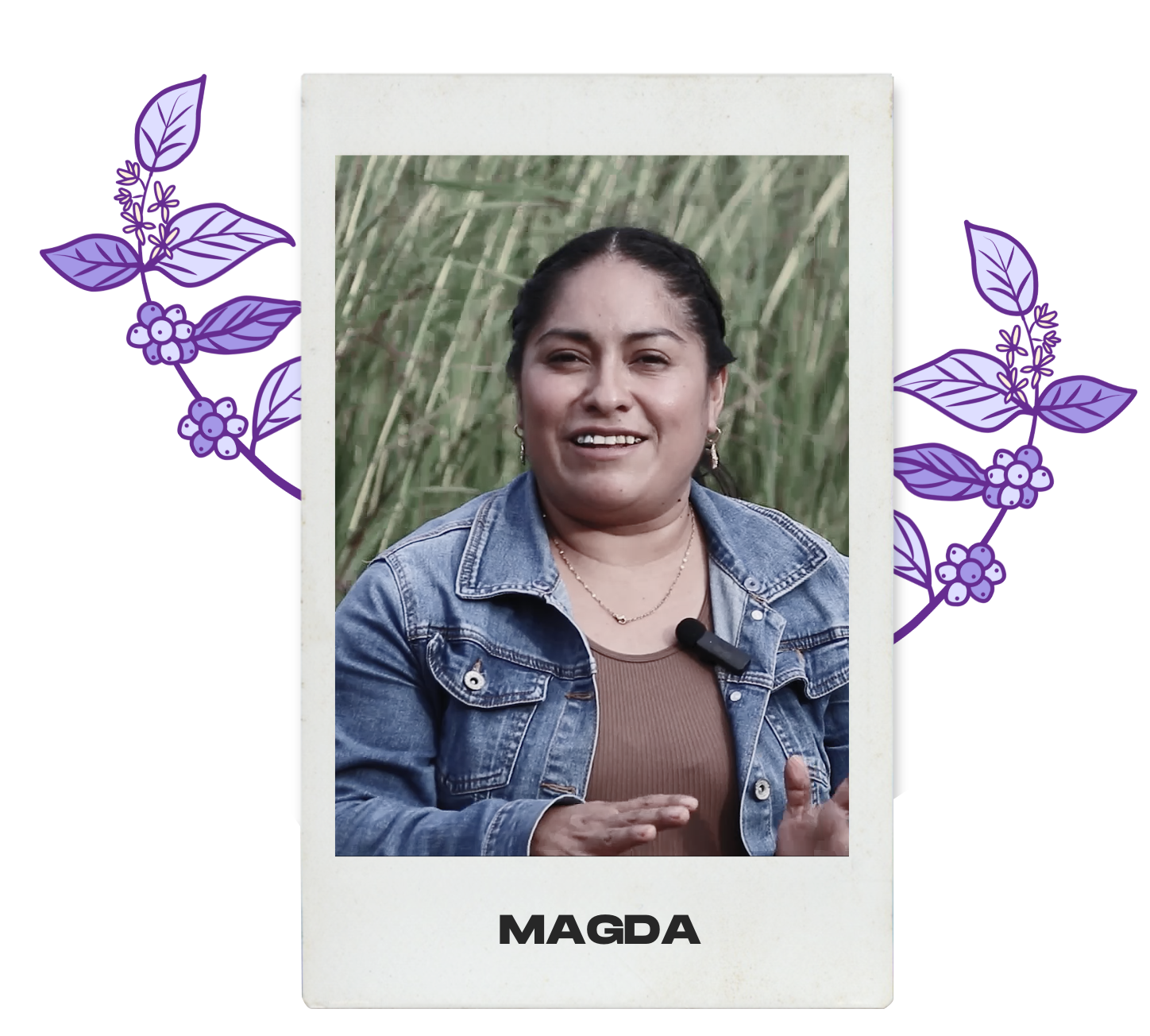
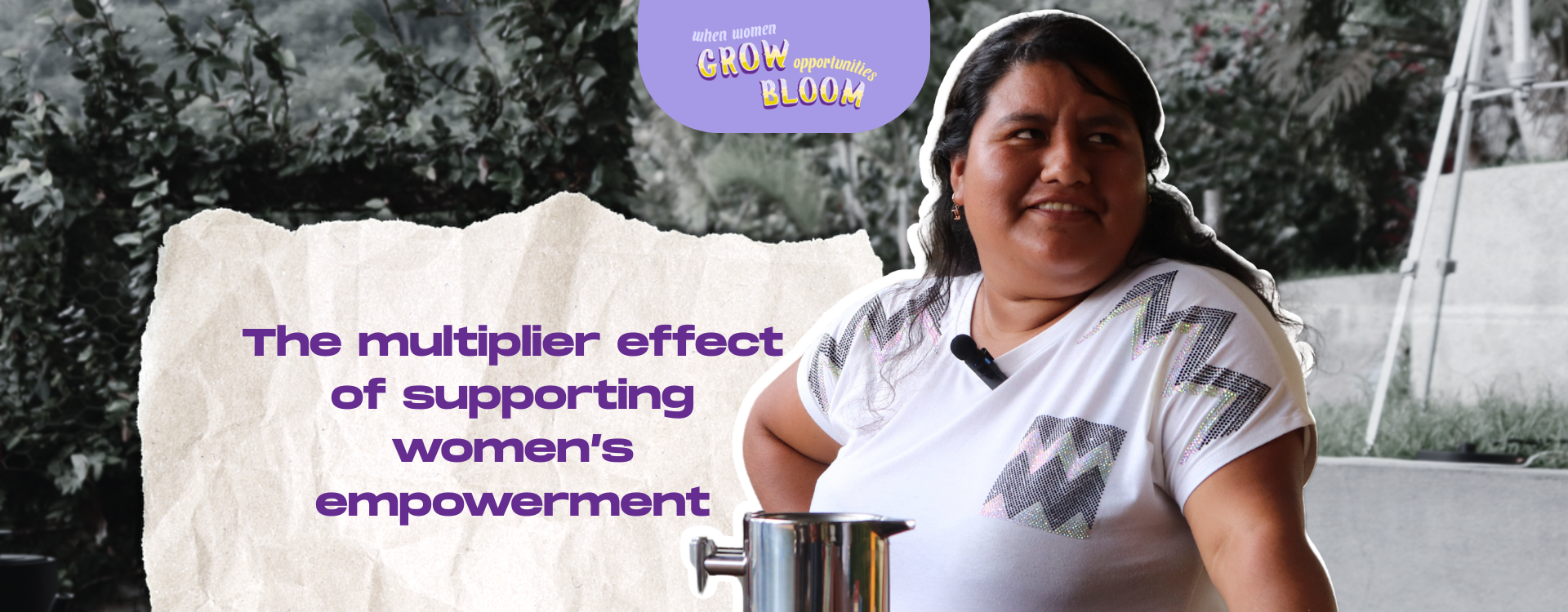
Nilda and Magda show that women’s empowerment generates benefits that extend far beyond themselves, creating a multiplier effect that expands overall well-being and contributes to local development.

Despite the overall reduction of poverty in Mexico, female-headed households remain more vulnerable, facing higher rates of food insecurity and fewer opportunities for formal employment.

Through our projects, SiKanda and Puente a la Salud Comunitaria contribute to change, ensuring that the strength and commitment of women bear fruit in Oaxacan communities with limited access to opportunities.

Improving nutrition means improving health:

Women invest up to 90% of their income in the well-being, health, and nutrition of their families. Beyond covering basic needs, every peso supports children’s school attendance, strengthens household food security, and reinforces local economies.

Magda, a participant in the MARES savings group project in the Eastern Zone of Villa de Zaachila, experiences this transformation at home:

“Everything I’ve learned, I’ve put into practice at home with my children, and even with my parents… When they (the instructors) give us a workshop and provide instructions of what we need to do, we follow them with love, and we teach it to our children.”


Magda’s story is just one of many…

Improving education:

Globally, more than 75% of unpaid care work falls on women. They are central within families, caring, educating, and supporting the development of all their members, passing down principles and values to future generations.

When women gain access to knowledge, resources, and leadership opportunities, they break cycles of poverty and promote their children’s education, transforming not only their own future but that of society as a whole.

Children observe and learn from their mothers’ dedication and resilience, shaping their own expectations and future roles.

“My oldest daughter really enjoys cooking… and she tells me, ‘Mom, I’m making a salad, can I cut some lettuce or cilantro?’ She picks from the pots and cooks with it” – Magda, MARES participant

More stable and fair societies:

When women lead, they promote participation at all levels, offering diverse perspectives that lead to more inclusive, people-centered solutions focused on collective well-being.

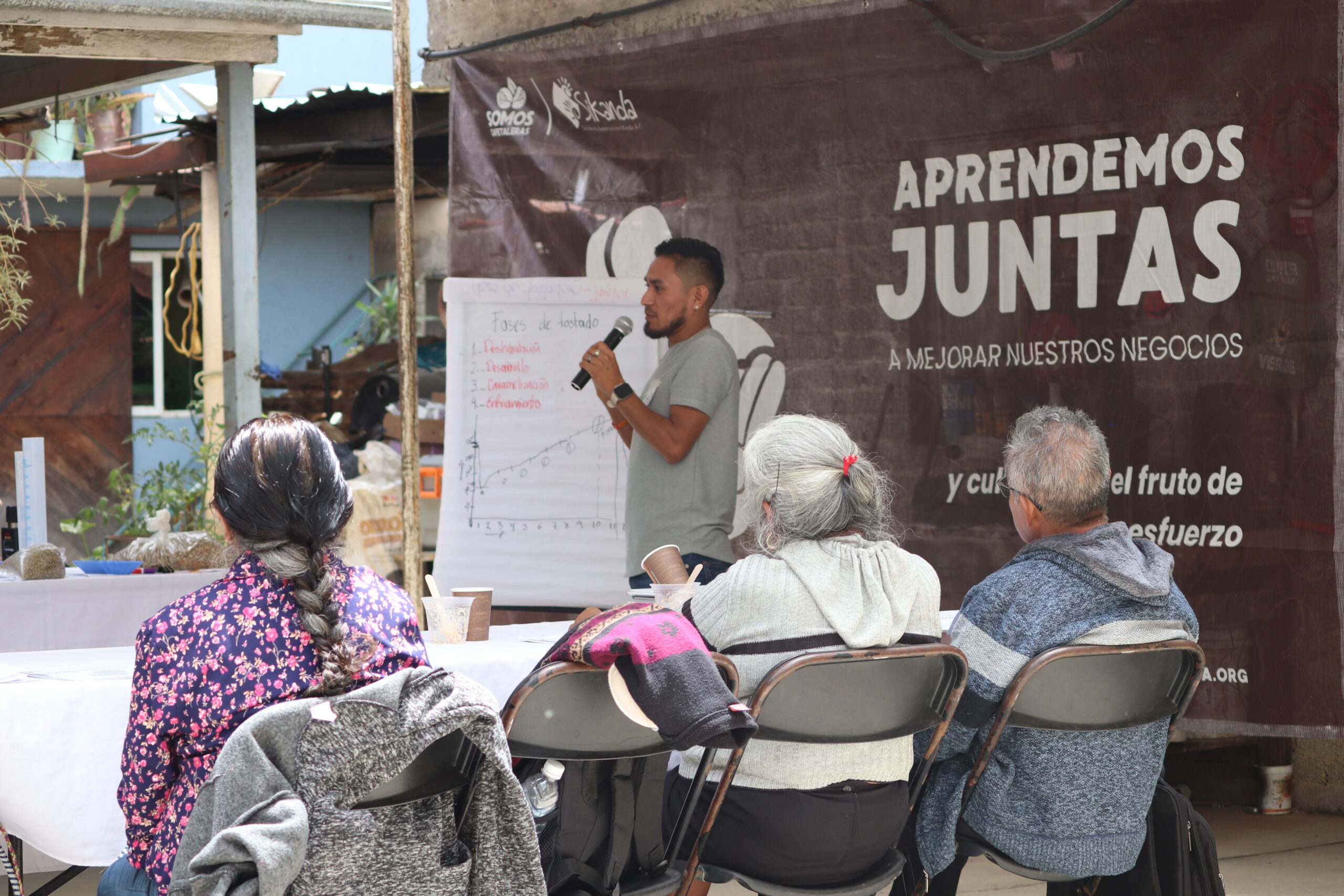
Through the training in social and solidarity economy offered by SOMOS CAFETALERAS, this year we expect to accompany 150 women coffee producers in the Sierra Sur and Mixteca regions of Oaxaca, belonging to different groups and advancement stages.

Within this group, 23 long-standing participants have already improved the health of their soils, adopted sustainable composting practices, and implemented actions to strengthen their brands.

Nilda, one of the participants from the community of San Agustín Loxicha, explains it this way:

“We have worked a lot on solidarity… when I don’t have a product or, even when someone asks if I have coffee, or if I have it in a certain presentation, I say, ‘Well, I have mine in these presentations… but there is also another person who sells it at such price, and I don’t know her product, but if you’d like, you can ask her,’ trying to get more people involved, not just me selling my things, trying to support others.”

This spirit of collaboration is the foundation of a fairer and more sustainable economy, where women uplift one another and reinvest their success into their communities.

By supporting women like Nilda and Magda, you help cultivate far more than livelihoods, you are sowing resilience, equity, and hope.

They are not only overcoming gender inequalities within this system; they are generating multiplier effects of change.

Invest in women. Watch communities grow.

Bridging Distances, Cultivating Change:

Women Leading Resilience in Oaxaca

Since 2020, SiKanda’s work with women in Oaxaca, especially coffee farmers, has revealed recurring challenges that continue to shape their daily lives — gender inequality, limited access to productive resources, and persistent barriers to decision-making.

In the rugged regions of  Mixteca and Sierra Sur, these inequalities are magnified by poverty, isolation, and the lack of access to basic services. Yet amid these difficulties, women continue to lead, cultivating food, families, and community resilience.

That’s why Puente a la Salud Comunitaria and SiKanda have joined forces: to strengthen women’s collective capacities and promote fairer, more resilient local economies across Oaxaca’s most excluded regions.

A Joint Response to Systemic Challenges

Puente was founded on the principle that rural families have the right to nutritional understanding and to access healthy, culturally appropriate foods; and believing that agroecology, using appropriate technologies and biofertilizers, combined with an abundance of ancestral knowledge, is a way to replenish the soil, combat climate change and grow a beautiful and nutritious grain.

For its part, SiKanda contributes more than eight years of experience successfully designing and implementing projects focused on women’s entrepreneurship, solidarity networks, community leadership, and advocacy for women’s rights and gender equality.

The partnership with SiKanda builds on this foundation, extending support to women in the most marginalized regions of Oaxaca, areas that are often left behind due to their remoteness and limited access to infrastructure.
Bringing Training and Opportunity Closer to Women

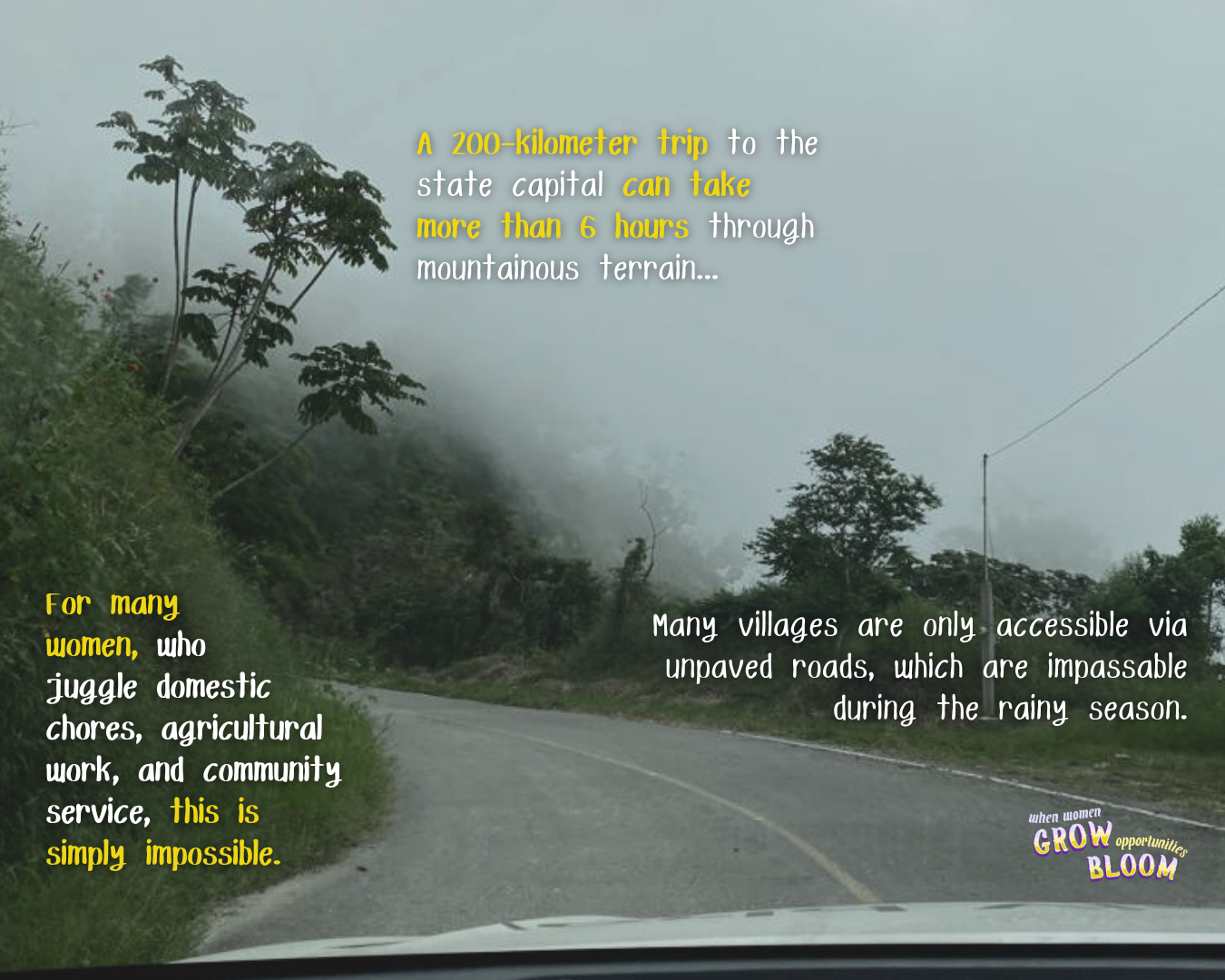
The Mixteca and Sierra Sur regions are home to 10 of the 12 poorest municipalities in the state. Accessing essential services or training programs often means traveling long hours through mountainous terrain. For women of these regions accessing essential services or training programs often means traveling long hours through mountainous terrain: a 200 km distance can easily turn injto a six-hour journey to the capital for what might be a two-day workshop.

For many women, who balance household care, agricultural work, and community service, this is simply impossible. So instead of asking women to come to us, we go to them, closing not only the physical distance but also the symbolic gap between women and their dreams.

The partnership with SiKanda builds on this foundation, extending support to women in the most marginalized regions of Oaxaca, areas that are often left behind due to their remoteness and limited access to infraestructure.

“My small plantation is an hour and a half walk uphill from downtown, each way. Now, due to our age, we struggle, we get tired more easily. But we’re still pushing forward because this is the only thing we have to survive…Right now, I’m alone, and I really need helpers, including other ladies, because I can’t do it by myself. Hauling the coffee out is quite hard, it’s too heavy, and the journey is uphill to reach the main road.” 

Isabel– Coffee Producer from Yucuhiti, in the Mixtec Region.

Climate Resilience, Led by Women

The Mixteca and Sierra Sur regions are rich in biodiversity and ideal for growing high-quality coffee. But these same lands face growing environmental pressures — deforestation, soil erosion, and increasingly severe weather events.

In 2023, Hurricane Agatha devastated coffee farms in the Sierra Sur, cutting production by up to 90% in some areas, Meanwhile, in the highlands of Mixteca, the arrival of diseases and pests such as the berry borer beetle and the coffee leaf rust, are constant problems faced by producers.

This has been the case for Isabel:

“The young people…many of them migrated and left. Those of us who remained are their parents, carrying on the work. A few have stayed, but there are no young people left, they all emigrated out of necessity. When coffee prices are good, we manage to do well, but when they’re bad, we can’t even cover our costs.”

“Right now, our problem with coffee is that it gets infested, first with the coffee borer beetle and then with the coffee leaf miner. All our coffee was ruined, and when we cut it and tried to pulp it, there were no beans left, just pure rubble, pure waste… Our two-year harvest is gone; it attacked us. But where there are large plants, everything has been destroyed. We are planting only new plants again, but we are suffering”.

Through joint efforts, Puente and SiKanda are now providing training in sustainability, agroecology, and entrepreneurship to help farmers — especially women — rebuild their livelihoods and strengthen local food systems.

These programs don’t just restore production; they foster leadership, solidarity, and autonomy.

By working together, we’re helping ensure that the future of Oaxaca’s rural regions is equitable, sustainable, and led by women.

Since 2003, Puente a la Salud Comunitaria (Puente), has carried out sustained work in the state of Oaxaca, with the aim of promoting food sovereignty and strengthening community capacities as a foundation for long-lasting social change. Over the past two decades, our efforts have become a recognized reference in territorial engagement to help reduce inequality.

In 2022, we formalized a strategic alliance with SiKanda to optimize resources, share knowledge, and enhance our intervention methodologies. This partnership reflects our commitment to creating comprehensive and sustainable responses to the growing social, economic, and environmental challenges facing communities—both locally and globally.

Forging alliances and pooling capacities has been essential to ensuring the continuity of our mission. In an increasingly uncertain environment—where civil society organizations operate under complex and often adverse conditions—we reaffirm the importance of our role as a social actor dedicated to community development, the defense of human rights, and the fight against inequality.

2024 IMPACT

In 2024,

We directly benefited over 308 individuals and indirectly reached more than 1,722 people through the implementation of three projects across two regions of Oaxaca.

One of these projects was carried out in collaboration with institutions that support indigenous Mixtec and Zapotec farmworkers living in California, United States, helping to strengthen a transnational bridge of solidarity and cooperation.

This annual report presents the key outcomes achieved during this period. In sharing them, we reaffirm our commitment to institutional sustainability as a cornerstone for continuing to support community processes, fostering long-term impact, and contributing to the creation of a more just and resilient environment for Oaxacan communities.

Thank you for being a vital part of this journey
Your generosity is transforming lives and helping build a more just and sustainable future for all